Can patients with fatty liver disease donate blood?
Jun 20, 2025
Source: Cainiu Health

Dr. Liu Feng
Introduction
Whether patients with fatty liver disease can donate blood depends on their liver function and blood lipid levels. If liver function tests, including indicators such as alanine aminotransferase (ALT) and aspartate aminotransferase (AST), are within normal ranges, and blood lipid levels such as triglycerides and cholesterol meet the blood donation criteria, they may donate blood after strict screening by the blood donation center. However, if liver function is abnormal or blood lipid levels exceed the normal range, blood donation is not permitted.
Whether patients with fatty liver disease can donate blood depends on certain criteria. If their blood lipid levels meet the required standards, they can donate blood. However, if their liver function is abnormal or their lipid levels are excessively high, blood donation is not allowed. Detailed explanations are as follows:
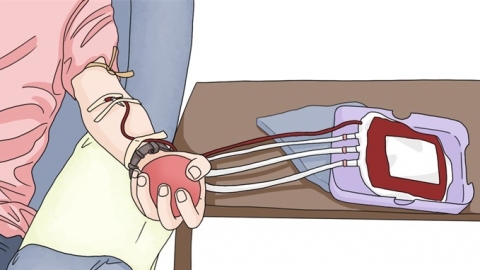
When a fatty liver patient's liver function indicators are within normal ranges and their blood lipid levels meet blood donation requirements, it indicates that their overall health condition is good. In such cases, donating blood will neither significantly affect their own health nor pose risks to recipients due to blood quality issues. Therefore, after strict screening by the blood donation organization, they may proceed with blood donation.
If a patient with fatty liver disease has abnormal liver function, such as elevated transaminase levels, or if their lipid levels exceed standard limits, this indicates impaired liver metabolism and poor overall health. At this stage, donating blood could potentially increase the burden on their liver, negatively affecting recovery, and the quality of donated blood might not be guaranteed, possibly rendering it unsuitable for clinical use. Therefore, blood donation should not be undertaken.
Before donating blood, patients with fatty liver disease must undergo a comprehensive physical examination to ensure all indicators meet the criteria for blood donation.