


Can people with high blood sugar donate blood?
Jun 20, 2025
Source: Cainiu Health

Dr. Liu Feng
Introduction
Blood donation with high blood sugar is acceptable under certain conditions: if blood sugar is well-controlled, with fasting blood glucose levels between 3.9 - 6.1 mmol/L and postprandial (2 hours after a meal) blood glucose below 7.8 mmol/L, blood donation is permissible. However, if blood sugar is excessively high, with fasting levels exceeding 11.1 mmol/L or postprandial levels above 16.7 mmol/L, or if diabetic complications are present, blood donation is not allowed.
Generally speaking, whether individuals with high blood sugar can donate blood depends on their blood sugar control status. The detailed analysis is as follows:
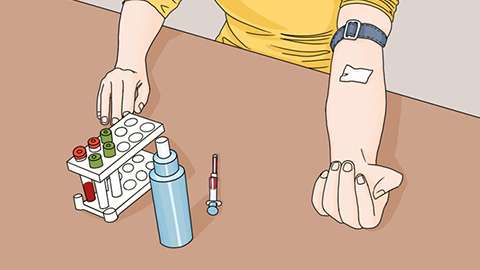
Individuals with high blood sugar who have stable blood glucose levels and normal test indicators are eligible to donate blood. These individuals have consistently followed a scientific treatment plan, maintaining fasting blood glucose levels between 3.9-6.1 mmol/L and postprandial two-hour blood glucose levels below 7.8 mmol/L through proper diet, regular exercise, and medication or insulin therapy. Their glycated hemoglobin levels are within the normal range, and they exhibit no other abnormal symptoms. In this case, blood donation will not significantly affect their health, and the blood quality meets the required standards for donation.
Individuals with excessively high blood sugar or complications should not donate blood. When fasting blood glucose exceeds 11.1 mmol/L or postprandial two-hour blood glucose levels are higher than 16.7 mmol/L, the body is in a state of high glucose toxicity. Blood donation may cause discomfort such as dizziness and fatigue, and could even lead to hypoglycemic coma. If complications such as diabetic nephropathy, retinopathy, or neuropathy have developed, donating blood will increase the physical burden and negatively affect disease management. Additionally, the blood glucose level in these individuals is too high, failing to meet safe blood transfusion requirements, and poses a risk to the health of blood recipients.
Before donating blood, individuals with high blood sugar must monitor their blood glucose levels, honestly inform healthcare professionals of their medical history and treatment details, and follow professional guidance.



