


How to calculate the number of days in pregnancy
Jun 25, 2025
Source: Cainiu Health

Dr. Zhang Lu
Introduction
The calculation methods for the number of days of pregnancy typically include the last menstrual period (LMP) method, ovulation date method, ultrasound examination method, and basal body temperature method. The total number of pregnancy days is calculated by counting from the first day of the pregnant woman's last menstrual period to the current date. This method is suitable for women with regular menstrual cycles, and the entire pregnancy usually lasts approximately 280 days.
Common methods for calculating the number of days of pregnancy include the last menstrual period method, ovulation date method, ultrasound examination method, basal body temperature method, and estimation based on symptoms and physical signs. Detailed explanations are as follows:
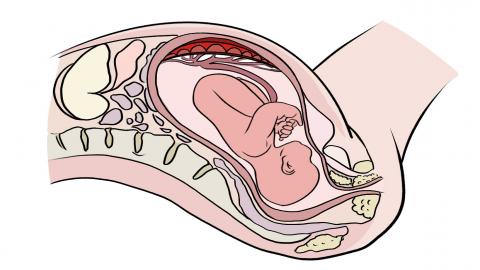
1. Last Menstrual Period Method: Start counting from the first day of the pregnant woman's last menstrual period up to the current date. The total number of days counted is considered the total days of pregnancy. This method is suitable for women with regular menstrual cycles, and the entire pregnancy typically lasts about 280 days.
2. Ovulation Date Method: If the ovulation date is accurately known, the count of pregnancy days can start from 14 days after the ovulation date. This is because ovulation usually occurs about 14 days before the next menstrual period, and actual fertilization typically occurs within a few days after ovulation. However, this method requires precise determination of the ovulation time, which can be difficult to achieve in practice.
3. Ultrasound Examination Method: In early pregnancy, doctors can estimate the gestational age by measuring the size of the gestational sac and the length of the embryo via ultrasound. This method is quite accurate, especially for women with irregular menstrual cycles, making ultrasound results more reliable.
4. Basal Body Temperature Method: After pregnancy, a woman's basal body temperature rises. If basal body temperature is consistently recorded and a sustained high-temperature phase lasts more than 18 days, it may indicate pregnancy, and the approximate gestational age can be estimated accordingly. However, this method requires long-term temperature records and is inconvenient to implement.
5. Estimation Based on Symptoms and Signs: Pregnant women can also estimate gestational age based on early pregnancy symptoms such as nausea, vomiting, and breast tenderness. These symptoms typically appear around the sixth week of pregnancy. However, this method has a relatively large margin of error because the timing and intensity of early pregnancy symptoms vary among individuals.
Pregnant women can choose an appropriate calculation method based on their individual circumstances and should attend prenatal checkups regularly during pregnancy to ensure the healthy development of the fetus.







