


Can bitter loofah be eaten?
Jun 26, 2025
Source: Cainiu Health

Dr. Yu Yongchao
Introduction
A normal luffa (sponge gourd) has a natural fresh aroma and does not taste bitter. If a luffa tastes bitter, it is likely due to cross-pollination with bitter melon or other plants during its growth, or due to environmental factors that caused the production of alkaloid glycosides. This substance is difficult to destroy even when heated, and consuming even small amounts may lead to poisoning symptoms such as nausea, vomiting, abdominal pain, diarrhea, dizziness, and weakness.
Under normal circumstances, bitter luffa (sponge gourd) should not be consumed, as it may contain toxic substances called alkaloid glycosides, which can easily cause poisoning after consumption. Detailed explanation is as follows:
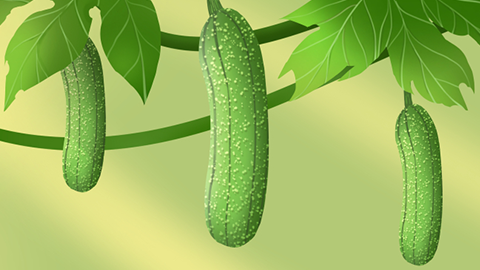
Normal luffa has a naturally pleasant aroma and should not taste bitter. If the luffa becomes bitter, it is likely due to cross-pollination with bitter melon or other plants during its growth, or due to environmental factors that caused it to produce alkaloid glycosides. This substance is difficult to destroy even when heated, and consuming even small amounts may lead to poisoning symptoms such as nausea, vomiting, abdominal pain, diarrhea, dizziness, and fatigue. In severe cases, it can even threaten life safety.
Some people mistakenly believe that cooking bitter luffa longer or adding seasonings can eliminate the bitterness and harmful substances. This is a misconception. No matter the cooking method, once the luffa tastes bitter, it indicates a potential safety hazard, and one should not eat it with the hope of being lucky.
When selecting luffa in daily life, carefully distinguish its characteristics. If any bitterness is detected, discard it immediately. Do not risk eating it due to reluctance to waste food, so as to avoid endangering your own and others' health.


