


What does it mean when the endometrium sheds?
Jul 02, 2025
Source: Cainiu Health

Dr. Zhang Lu
Introduction
In general, endometrial shedding is an important part of menstruation, marking the end of the previous cycle and the beginning of a new cycle. When abnormal endometrial shedding occurs, a detailed medical examination should be conducted at a hospital promptly to determine the specific cause and provide appropriate treatment. At the same time, it is important to maintain good lifestyle habits and avoid excessive fatigue and mental stress.
Normally, endometrial shedding is an essential component of menstruation, marking the end of the previous cycle and the beginning of a new cycle. A detailed explanation is as follows:
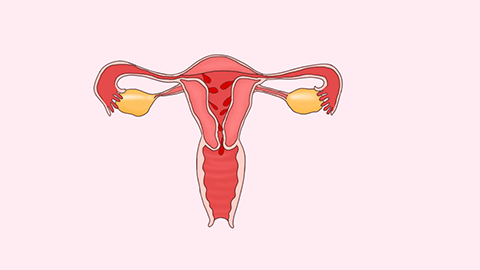
Endometrial shedding is a normal physiological phenomenon in the female menstrual cycle. It refers to the cyclic thickening of the endometrium and proliferation of blood vessels, regulated by periodic changes in ovarian hormones. When estrogen and progesterone levels decline after ovulation in the absence of pregnancy, the endometrial lining cannot be sustained, leading to ischemia, necrosis, and shedding of the functional layer. This is accompanied by vaginal bleeding, which constitutes menstruation. Under normal circumstances, endometrial shedding follows a regular pattern, manifested as periodic menstrual bleeding. The normal menstrual cycle typically lasts 21-35 days, with menstrual periods lasting 3-7 days and moderate blood loss.
When abnormal endometrial shedding occurs, timely detailed examination at a hospital should be carried out to determine the exact cause and provide appropriate treatment. Meanwhile, maintaining healthy lifestyle habits and avoiding excessive fatigue and mental stress can help maintain a normal menstrual cycle and promote endometrial health.


