What happens if anal genital warts are left untreated for 2 years?
Nov 29, 2025
Source: Cainiu Health

Dr. Liu Wenmin
Introduction
Untreated anal genital warts for two years can lead to continuous proliferation and spread of warts, serious complications, increased risk of malignant transformation, psychological trauma, and transmission to others. This condition does not resolve spontaneously and requires prompt medical attention at a reputable hospital's dermatology or proctology department. Over time, the warts gradually increase in size and number, potentially spreading to the perianal area.
If left untreated for two years, anal genital warts can lead to continuous proliferation and spread of warts, serious complications, increased risk of cancerous changes, psychological trauma, and transmission to others. This condition does not resolve on its own and requires prompt medical attention at a reputable hospital's dermatology or proctology department.
1. Proliferation and spread of warts: Over time, the warts gradually grow larger and increase in number, potentially spreading to the perianal skin, anal canal, and even the perineum. They may develop into large masses or merge into plaques, worsening local discomfort.
2. Development of severe complications: Long-term irritation can cause erosion and ulceration of the perianal skin, leading to secondary bacterial infections with symptoms such as pain, bleeding, and pus discharge. It may also trigger other anorectal conditions like anal fissures or fistulas.
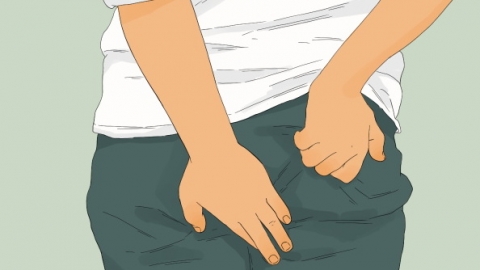
3. Increased risk of cancerous transformation: Persistent infection with high-risk types of human papillomavirus (HPV) may lead to abnormal cell growth in the perianal skin. Over time, this increases the likelihood of developing malignant conditions such as anal cancer.
4. Psychological impact: The itching, pain, visible changes in appearance, and concerns about transmission can cause prolonged anxiety, low self-esteem, and other negative emotions, significantly affecting daily life and social interactions.
5. Risk of transmitting to others: The disease is highly contagious. Within two years, it can be transmitted to sexual partners or family members through sexual contact or indirect contact, thereby expanding the scope of infection.
To reduce recurrence, maintain cleanliness and dryness of the perianal area, wear loose, breathable cotton clothing, avoid scratching the affected skin, follow a light diet avoiding spicy and irritating foods, and maintain regular作息 (sleep patterns) to strengthen immune function.