


What does hyperuricemia mean?
Jul 07, 2025
Source: Cainiu Health

Dr. Yang Tiesheng
Introduction
Most patients with hyperuricemia have no obvious discomfort in the early stages and only discover elevated blood uric acid levels during physical examinations. This condition is called asymptomatic hyperuricemia. At this stage, urate salts have not yet deposited in areas such as the joints and kidneys, causing minimal harm to the body. It can be managed through lifestyle interventions such as adjusting dietary habits, increasing water intake, and controlling body weight.
Hyperuricemia refers to uric acid levels in the blood exceeding the normal range, usually caused by excessive uric acid production or reduced excretion. It may be asymptomatic or trigger diseases such as gout. If abnormalities are detected, timely medical consultation is recommended. Detailed analysis is as follows:
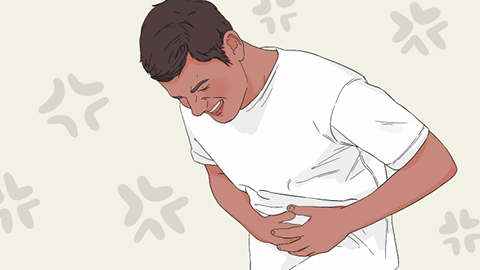
Most patients with hyperuricemia experience no obvious discomfort in the early stages and only discover elevated blood uric acid levels during physical examinations. This condition is called asymptomatic hyperuricemia. At this stage, urate salts have not yet deposited in areas such as the joints or kidneys, and the damage to the body is minimal. With lifestyle modifications such as adjusting dietary patterns, increasing water intake, and controlling body weight, blood uric acid levels can gradually return to normal, reducing the likelihood of progression to gout or kidney damage.
If hyperuricemia persists, urate crystals may deposit in the joint cavity, triggering acute gouty arthritis, characterized by redness, swelling, heat, pain in the joints, and limited mobility. These symptoms commonly occur in areas such as the first metatarsophalangeal joint and ankle joint. If urate deposits in the kidneys, it may lead to uric acid nephropathy or kidney stones, causing symptoms such as back pain, hematuria, and proteinuria.
After a definitive diagnosis of hyperuricemia, patients should avoid high-purine foods such as animal offal, seafood, and concentrated broths, limit alcohol and sugary beverage consumption, drink no less than 2000 milliliters of water daily, and undergo regular follow-up tests for blood uric acid levels and liver and kidney function.




