


How serious is the consequence of hyperthyroidism?
Jul 08, 2025
Source: Cainiu Health

Dr. Yang Chuanjia
Introduction
Excess thyroid hormone accelerates heart rate and enhances myocardial contractility. Prolonged exposure can lead to arrhythmias, atrial fibrillation, and other cardiac issues. The continuously increased cardiac workload may also result in cardiac enlargement and heart failure. Patients often experience symptoms such as palpitations, shortness of breath, and chest tightness, which become more pronounced after physical activity, significantly impairing their ability to perform daily activities.
Hyperthyroidism generally refers to hyperfunction of the thyroid gland. If left uncontrolled, hyperthyroidism may cause damage to the cardiovascular system, digestive system abnormalities, nervous system disorders, skeletal muscle diseases, and effects on the reproductive system. If any abnormalities occur, timely medical attention is recommended. Detailed analysis is as follows:
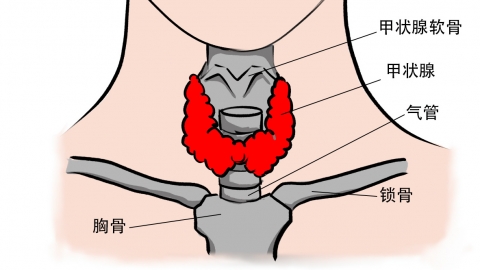
1. Cardiovascular damage: Excess thyroid hormone accelerates heart rate and enhances myocardial contractility. Long-term effects may lead to arrhythmia, atrial fibrillation, and other issues. Continuous cardiac overload can also cause cardiac enlargement, heart failure, and symptoms such as palpitations, shortness of breath, and chest tightness, which become more pronounced after physical activity, significantly affecting daily activity capacity.
2. Digestive system abnormalities: Hyperthyroidism accelerates gastrointestinal motility and increases secretion of digestive fluids, often leading to increased appetite but weight loss. Some individuals may experience diarrhea, bloating, and long-term effects may lead to poor nutrient absorption, gradual physical weakness, reduced immunity, and an increased risk of other infections.
3. Nervous system disorders: Excess thyroid hormone stimulates the nervous system, causing emotional instability, irritability, anxiety, and insomnia. In severe cases, symptoms may include difficulty concentrating, memory loss, hand tremors, and muscle twitching, affecting normal work and life and negatively impacting psychological well-being.
4. Skeletal muscle disease: Hyperthyroidism accelerates bone metabolism, leading to bone loss and an increased risk of osteoporosis. Patients may experience back pain and fractures. Muscles may also become weak and atrophied due to metabolic abnormalities, particularly in the limbs, manifesting as reduced exercise endurance and, in severe cases, difficulty performing daily activities.
5. Effects on the reproductive system: Female patients may experience menstrual cycle irregularities, reduced menstrual flow, or even amenorrhea, affecting normal ovulation and fertility. Male patients may encounter sexual dysfunction and reduced sperm quality, adversely affecting reproductive health and decreasing the chances of conception.
If symptoms of hyperthyroidism appear, prompt medical evaluation is necessary. After diagnosis, active treatment should be pursued, with regular monitoring of thyroid hormone levels. Medication dosages should be adjusted according to medical advice, while maintaining regular作息 and a balanced diet, avoiding excessive fatigue and emotional excitement to prevent worsening or recurrence of the condition.





