


Can a small uterus result in a normal pregnancy?
Jul 09, 2025
Source: Cainiu Health

Dr. Zhang Lu
Introduction
In general, if the uterus is slightly smaller than normal but there are no other abnormal symptoms, it is usually possible to become pregnant normally. However, if other symptoms are present, normal pregnancy may not be possible. If any discomfort or symptoms occur, it is recommended to seek timely medical evaluation and treatment at a正规 hospital. During the preconception period, it is important to maintain healthy lifestyle habits, avoid excessive fatigue and mental stress, and undergo regular follow-up examinations.
Generally speaking, if the uterus is slightly small but there are no other abnormal symptoms, it is usually possible to become pregnant normally; however, if other symptoms are present, normal pregnancy may not be achievable. If discomfort occurs, it is recommended to seek timely medical consultation and treatment at a reputable hospital. Detailed analysis is as follows:
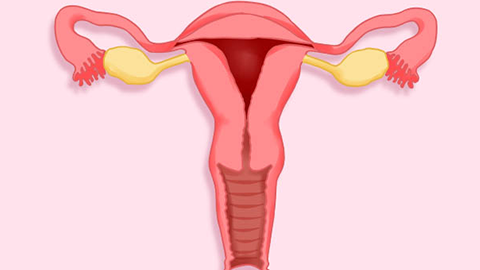
If the uterus is only mildly small without other abnormalities—such as regular menstrual cycles, normal ovarian function, and appropriate endometrial thickness—pregnancy is usually achievable. Although the uterus in such cases may be slightly smaller than the normal range, its anatomical structure remains intact and the uterine cavity environment can meet the basic requirements for embryo implantation and development. As long as the ovaries can release eggs normally, the fallopian tubes are unobstructed, and the sperm and egg can combine successfully to form a fertilized egg, there is a high probability of achieving and maintaining a successful pregnancy.
If the small uterus is accompanied by other symptoms such as infrequent menstruation, amenorrhea, diminished ovarian reserve, endometrial hypoplasia or hyperplasia, or intrauterine adhesions, normal pregnancy is often not possible. A small uterus accompanied by such abnormalities may indicate poor uterine development or endocrine disorders, which can interfere with embryo implantation. Even if implantation occurs successfully, adverse conditions such as an unfavorable endometrial environment or hormonal imbalances may lead to abnormal embryonic development or miscarriage, thus hindering the normal process of pregnancy.
Good lifestyle habits should be maintained during preconception, including avoiding excessive fatigue and emotional stress. Regular follow-up visits are also important to monitor health status and improve the chances of conception.



