What does it mean to have a small uterus?
Aug 20, 2025
Source: Cainiu Health

Dr. Zhang Lu
Introduction
In general, a small uterus may be caused by congenital uterine hypoplasia, delayed puberty development, endocrine disorders, polycystic ovary syndrome (PCOS), diminished ovarian function, or other factors. It is recommended to seek timely medical consultation to identify the underlying cause, followed by appropriate interventions such as general management or medication under a doctor's guidance. Additionally, maintaining good personal hygiene and wearing loose, breathable cotton underwear is advised in daily life.
Generally, a small uterus may be caused by congenital uterine hypoplasia, delayed puberty development, endocrine disorders, polycystic ovary syndrome (PCOS), or diminished ovarian function. It is recommended to seek timely medical consultation to identify the specific cause, followed by improvement through general treatments, medications, or other methods under a doctor's guidance. Detailed explanations are as follows:
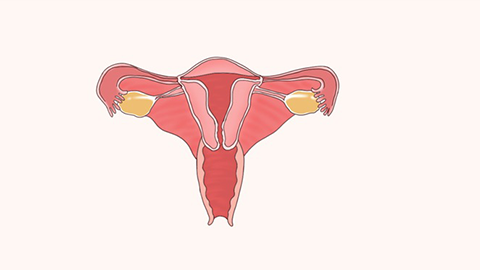
1. Congenital uterine hypoplasia: During embryonic development, abnormal genital organ development leads to a uterus smaller than the normal range, often related to genetic factors. If it does not affect menstruation or fertility, no special treatment is required. Maintain a regular lifestyle, balanced diet, and consume adequate protein-rich foods such as eggs and milk to enhance physical function. Regular gynecological examinations are recommended to monitor uterine condition.
2. Delayed puberty development: Malnutrition or irregular lifestyle during puberty may lead to delayed reproductive system development, resulting in a uterus that has not developed to the standard size. Adjust dietary habits to ensure sufficient intake of protein and vitamins, avoid extreme dieting for weight loss, and undergo growth and development evaluation when necessary, as directed by a physician.
3. Endocrine disorders: Prolonged emotional stress and anxiety can cause hormonal imbalances, including insufficient estrogen and progesterone, which may affect uterine development and be accompanied by menstrual irregularities. Patients should adjust their mindset and relieve stress through activities such as listening to music or meditation. Hormonal regulation may include medications such as drospirenone ethinylestradiol tablets, desogestrel ethinylestradiol tablets, or ethinylestradiol cyproterone tablets, as prescribed by a doctor, to supplement hormones required for uterine development and promote uterine growth.
4. Polycystic ovary syndrome (PCOS): Patients with PCOS often experience abnormal ovulation, elevated androgen levels, and relatively insufficient estrogen, which inhibits normal uterine development. Symptoms may include hirsutism and infrequent menstruation. Patients should follow medical advice to use medications such as dydrogesterone tablets, progesterone capsules, or medroxyprogesterone acetate tablets to regulate hormone levels.
5. Diminished ovarian function: Premature ovarian failure leads to reduced estrogen and progesterone secretion, causing the uterus to shrink due to lack of hormonal support, often accompanied by hot flashes and night sweats. Patients should follow medical instructions to use conjugated estrogen tablets, estradiol valerate tablets, or estradiol cyproterone tablets to supplement estrogen and maintain normal uterine morphology.
It is important to maintain good personal hygiene and wear loose, breathable cotton underwear. Regular gynecological ultrasound examinations are recommended to monitor uterine size and ovarian function, ensuring comprehensive care for reproductive health.