


Which type of varicose veins is more severe?
Jul 10, 2025
Source: Cainiu Health

Dr. Wang Lei
Introduction
In general, the severity of varicose veins does not entirely depend on their type, but rather on multiple factors including disease progression, symptom presentation, and potential complications. It is recommended to seek timely medical attention, identify the underlying cause, and undergo symptomatic treatment under a doctor's guidance. Regardless of the type of varicose veins, once complications such as skin ulcers, infections, or bleeding occur, prompt medical intervention is necessary.
Generally speaking, the severity of varicose veins does not entirely depend on their type, but rather relates to multiple factors such as disease progression, symptom presentation, and potential complications. It is recommended to seek timely medical consultation, identify the underlying cause, and undergo symptomatic treatment under a doctor's guidance. A detailed analysis is as follows:
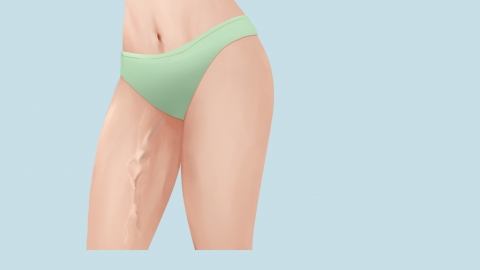
Esophagogastric varices are usually associated with portal hypertension caused by liver disease. In severe cases, patients may experience critical symptoms such as hematemesis (vomiting blood) and melena (black tarry stools), making this a relatively severe type of varicose veins. In contrast, lower limb varicose veins may initially present only as leg soreness or pain. However, as the condition progresses, symptoms such as edema, pigmentation, eczema, and ulcers may develop. Particularly when ulcers form and are difficult to heal, they can significantly impact the patient's daily life and health. Moreover, lower limb varicose veins may lead to serious complications such as thrombosis.
Regardless of the type of varicose veins, the appearance of complications such as skin ulcers, infection, or bleeding indicates a severe condition requiring prompt treatment.





