


How to Self-Test for Uterine Adhesions
Jul 11, 2025
Source: Cainiu Health

Dr. Zhang Lu
Introduction
In general, you can self-assess for uterine adhesions by observing menstrual flow and cycle regularity, monitoring for dysmenorrhea (painful menstruation), cyclic abdominal pain, examining vaginal discharge, self-checking for abdominal pain, and noting infertility or recurrent miscarriages. If uterine adhesion is suspected, it is recommended to seek medical attention promptly and undergo professional diagnostic tests, such as hysteroscopy or hysterosalpingography, to confirm the diagnosis.
In general, you can self-assess for uterine adhesions by observing menstrual flow and cycle, paying attention to dysmenorrhea (painful menstruation), cyclic abdominal pain, observing vaginal discharge, self-monitoring abdominal pain, infertility, or repeated miscarriages. Detailed analysis is as follows:
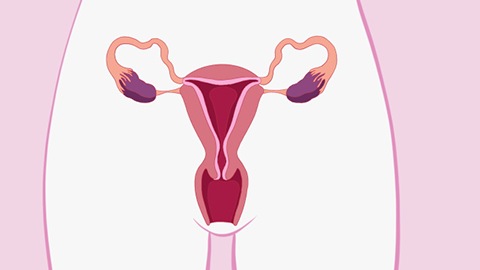
1. Observe menstrual flow and cycle: Uterine adhesions may affect the shedding of the endometrium, leading to decreased menstrual flow, infrequent menstruation, or even amenorrhea (absence of menstruation).
2. Pay attention to dysmenorrhea: Uterine adhesions may affect the discharge of menstrual blood, causing retrograde menstruation, which can lead to endometriosis, and subsequently cause dysmenorrhea.
3. Cyclic abdominal pain: Increased lower abdominal pain during menstruation or unexplained pelvic pain outside of the menstrual period may be related to uterine adhesions.
4. Observe vaginal discharge: Although uterine adhesions themselves may not necessarily cause increased vaginal discharge or an unpleasant odor, abnormal vaginal discharge may occur if there is an associated intrauterine infection.
5. Infertility or recurrent miscarriage: Uterine adhesions may affect embryo implantation, leading to difficulty in conception or miscarriage after pregnancy.
If you suspect uterine adhesions, it is recommended to seek medical attention promptly and obtain a definitive diagnosis through professional examinations such as hysteroscopy or hysterosalpingography (HSG). In daily life, you should keep warm to avoid getting chilled, maintain external genital hygiene, and avoid infections.





