


What causes uterine adhesions?
Jul 19, 2025
Source: Cainiu Health

Dr. Zhang Lu
Introduction
In general, uterine adhesions may result from poor healing following endometrial trauma, individual differences in healing capacity, repeated intrauterine surgeries, intrauterine infections, or ischemic injury to the uterus. It is recommended to seek timely medical attention, identify the underlying cause, and undergo symptomatic treatment under a doctor's guidance. In daily life, it is important to maintain good genital hygiene.
Generally, uterine adhesions may result from poor endometrial wound healing, individual differences in healing capacity, repeated intrauterine surgeries, intrauterine infections, or ischemic injury to the uterus. It is recommended to seek timely medical attention, identify the underlying cause, and undergo symptomatic treatment under a doctor's guidance. Detailed explanations are as follows:
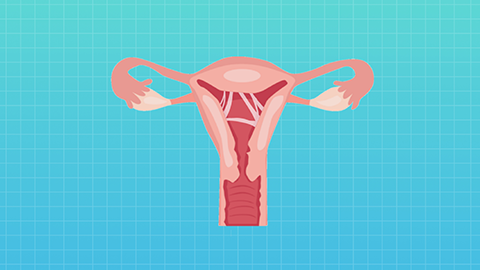
1. Poor Endometrial Wound Healing: Mild injuries to the endometrium can lead to excessive fibrous tissue proliferation during the repair process, possibly causing uterine adhesions. If no obvious symptoms are present, enhancing nutrition and consuming more protein-rich foods can promote endometrial repair. Regular follow-up examinations are also recommended.
2. Individual Differences in Healing Capacity: Some women have unique physical constitutions that make them prone to scar adhesions during tissue healing, leading to partial or complete occlusion of the uterine cavity. No specific treatment is required if there is no significant discomfort. Those planning pregnancy should consult a doctor in advance to develop a targeted plan.
3. Repeated Intrauterine Surgeries: Repeated injuries to the endometrium caused by procedures such as induced abortion, curettage, or hysteroscopy can lead to adhesions during wound healing, accompanied by symptoms like reduced menstrual flow or amenorrhea. Unnecessary intrauterine procedures should be minimized, and postoperative medication such as estradiol valerate tablets, progesterone soft capsules, or motherwort granules should be used as directed by a physician to promote endometrial repair.
4. Intrauterine Infection: Pathogens such as bacteria or chlamydia can infect the uterine cavity, causing endometritis. Inflammatory stimulation leads to tissue congestion and edema, and adhesions may form after healing, accompanied by symptoms such as lower abdominal pain and fever. Patients may follow medical advice to use medications like cefixime dispersible tablets, metronidazole tablets, or doxycycline hydrochloride capsules to control the infection.
5. Uterine Ischemic Injury: After procedures such as uterine artery embolization, localized ischemia in the uterus can lead to endometrial necrosis, making adhesions more likely during the repair process, possibly accompanied by lower abdominal heaviness. For mild adhesions, medications such as aspirin enteric-coated tablets, Xuefu Zhuyu capsules, or Cinnamon Twig and Poria capsules may be used under medical guidance to improve blood circulation. Severe cases may require hysteroscopic adhesiolysis to separate the adhesions, relieve the affected tissues, and restore the normal shape of the uterine cavity.
In daily life, attention should be paid to sexual hygiene, avoiding unclean sexual practices to prevent intrauterine infection. Effective contraception should be practiced to reduce unintended pregnancies and the number of induced abortions. Postoperative rest is important, with avoidance of strenuous physical activity to promote recovery and reduce the risk of adhesions.


