


What Foods Should Patients with Uterine Fibroids Avoid Eating?
Jul 11, 2025
Source: Cainiu Health

Dr. Zhang Lu
Introduction
Under normal circumstances, patients with uterine fibroids are not advised to consume foods such as soy milk, royal jelly, donkey-hide gelatin (Ajiao), honey, or soybeans. If discomfort symptoms occur, it is recommended to seek timely medical consultation and treatment at a正规 hospital. In terms of diet, patients with uterine fibroids should choose natural foods rich in dietary fiber, such as fresh vegetables, fruits, lean meat, and eggs.
Generally, patients with uterine fibroids are not advised to consume foods such as soy milk, royal jelly, donkey-hide gelatin (ejiao), honey, or soybeans. If discomfort occurs, it is recommended to seek timely medical consultation and treatment at a qualified hospital. Detailed explanations are as follows:
1. Soy Milk: Made from soybeans, soy milk is rich in phytoestrogens. Since the growth of uterine fibroids is associated with estrogen levels, excessive intake may stimulate fibroid growth.
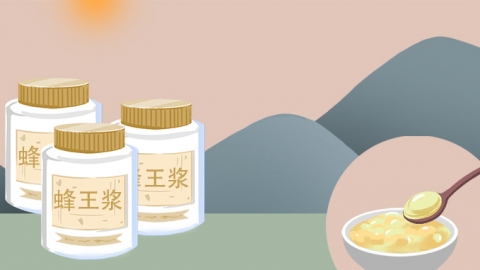
2. Royal Jelly: Royal jelly contains animal-derived estrogen, which may elevate estrogen levels in the body, potentially accelerating fibroid proliferation and negatively affecting disease management.
3. Donkey-hide Gelatin (Ejiao): Ejiao is a nourishing supplement that can promote blood production and may increase blood supply to the area of the fibroid, thus providing conditions for its growth.
4. Honey: Honey contains small amounts of natural estrogen. Long-term or excessive consumption may disrupt hormonal balance in the body and indirectly promote the development of uterine fibroids.
5. Soybeans: Soybeans are an important source of phytoestrogens. Once ingested, they may exert estrogen-like effects in the body and stimulate the growth of uterine fibroids, so excessive consumption is not recommended.
Patients with uterine fibroids should choose natural foods rich in dietary fiber, such as fresh vegetables, fruits, lean meat, and eggs, while maintaining a diet low in fat, salt, and sugar. These dietary adjustments can help control the condition and promote recovery.






