


What are the common causes of uterine bleeding?
Jul 15, 2025
Source: Cainiu Health

Dr. Zhang Lu
Introduction
In general, uterine bleeding may be caused by various diseases, commonly including uterine fibroids, endometrial polyps, endometritis, dysfunctional uterine bleeding, and endometrial cancer. In daily life, if uterine bleeding occurs, one should pay attention to the duration, amount, color of the bleeding, and any accompanying symptoms. Additionally, it is important to maintain good hygiene habits and avoid excessive fatigue.
Normally, uterine bleeding may be caused by various diseases, commonly including uterine fibroids, endometrial polyps, endometritis, dysfunctional uterine bleeding, and endometrial cancer. A detailed explanation is as follows:
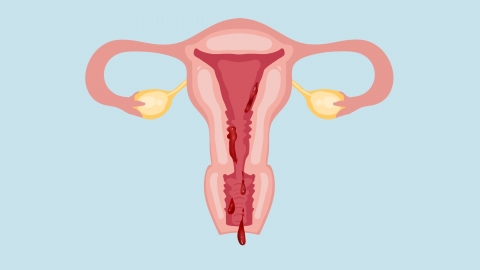
1. Uterine Fibroids: Uterine fibroids are a common cause of uterine bleeding, especially submucosal and intramural fibroids. Fibroids can increase the surface area of the endometrium and interfere with uterine contractions, leading to heavy menstrual bleeding, prolonged menstrual periods, or irregular vaginal bleeding. The bleeding is often bright red and may be accompanied by blood clots.
2. Endometrial Polyps: Endometrial polyps are formed by localized excessive growth of the endometrium and protrude into the uterine cavity. They can cause intermenstrual bleeding, prolonged menstruation, or irregular bleeding. The surface of the polyps is rich in blood vessels and prone to rupture and bleeding due to friction or infection. The bleeding is usually light, appearing as spotting or brownish discharge.
3. Endometritis: Endometritis is an inflammation of the endometrium, most commonly caused by bacterial infection. The inflammatory stimulation can cause congestion, edema, and fragility of the endometrium, leading to irregular bleeding. It is often accompanied by lower abdominal pain, increased purulent vaginal discharge with an unpleasant odor, and the bleeding often worsens during menstruation.
4. Dysfunctional Uterine Bleeding: Dysfunctional uterine bleeding, also known as DUB, refers to abnormal uterine bleeding caused by dysfunction of the hypothalamic-pituitary-ovarian axis without organic lesions. It manifests as irregular menstrual cycles, varying duration of menstruation, and fluctuating menstrual flow. It may involve heavy bleeding or prolonged spotting and is commonly seen in adolescent and perimenopausal women.
5. Endometrial Cancer: Endometrial cancer is a malignant tumor occurring in the endometrium, mainly manifested as postmenopausal vaginal bleeding, usually with small amounts of bleeding. Women who have not yet undergone menopause may experience increased menstrual flow, prolonged menstruation, or irregular bleeding. The bleeding is often dark red and may be accompanied by serous discharge. lower abdominal pain may appear in advanced stages.
In daily life, if uterine bleeding occurs, one should pay attention to the timing, amount, color of the bleeding, and accompanying symptoms. Maintaining good hygiene habits and avoiding excessive fatigue can help reduce discomfort associated with bleeding.



