


What are the symptoms of endometritis?
Jul 15, 2025
Source: Cainiu Health

Dr. Zhang Lu
Introduction
Under normal circumstances, the symptoms of endometritis are mainly manifested as abnormal vaginal discharge, menstrual irregularities, lower abdominal pain, fever, and pain during sexual intercourse. If discomfort symptoms occur, it is recommended to seek timely medical treatment at a regular hospital. In daily life, it is important to maintain personal hygiene, keep the vulva clean, and avoid unclean sexual practices to prevent the occurrence of endometritis.
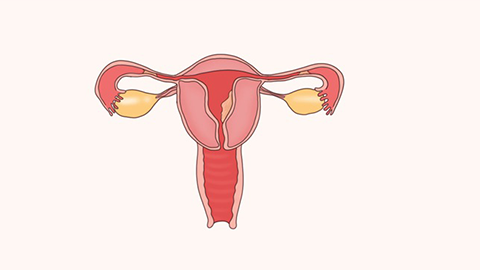
Under normal circumstances, the symptoms of endometritis mainly manifest as abnormal vaginal discharge, menstrual irregularities, lower abdominal pain, fever, and discomfort during sexual intercourse. If discomfort symptoms occur, it is recommended to seek timely diagnosis and treatment at a regular hospital. Specific symptoms are as follows:
1. Abnormal Vaginal Discharge
When the endometrium becomes inflamed, inflammatory stimulation causes increased secretion from the endometrial glands, resulting in a significant increase in vaginal discharge. The characteristics of the discharge also change, often becoming thin, pale yellow, and mucus-like. In more severe cases, the discharge may appear purulent with a foul odor, caused by inflammatory secretions from bacterial infection. Some patients may also have blood-tinged discharge, particularly after sexual intercourse or gynecological examinations, making this bloody discharge more noticeable.
2. Menstrual Irregularities
Endometritis can affect the normal metabolism and shedding of the endometrium, leading to menstrual cycle disorders, prolonged menstruation, and increased menstrual bleeding. Some patients may experience irregular vaginal bleeding outside of their menstrual period, with varying amounts and durations of bleeding. Additionally, due to endometrial inflammation, patients often experience exacerbated dysmenorrhea during menstruation. The pain typically presents as a feeling of heaviness or distension in the lower abdomen, sometimes accompanied by lumbosacral soreness, with the intensity of pain increasing as the inflammation worsens.
3. Lower Abdominal Pain
Lower abdominal pain is one of the common symptoms of endometritis. The pain is usually a persistent feeling of distension or dull ache, which significantly worsens during physical activity, sexual intercourse, or defecation. This occurs because the inflammation irritates the endometrium and surrounding tissues, causing local congestion, edema, and pressure on surrounding nerves, thus causing pain. In severe cases, the pain might be intense and even radiate to the lumbosacral region, affecting the patient's normal life and work.
4. Fever
Endometritis may be caused by pathogens infecting the endometrium due to unhygienic sexual activity or decreased immunity. These pathogens can enter the bloodstream and multiply, causing fever in patients. Such fever may be accompanied by chills and sweating. Besides fever, patients may also experience systemic symptoms such as loss of appetite, decreased libido, fatigue, headache, nausea, and vomiting.
5. Pain During Sexual Intercourse
Some patients may experience pain or discomfort during sexual intercourse, which may be related to cervical motion tenderness or uterine body tenderness caused by endometritis.
In daily life, it is important to maintain personal hygiene, keep the external genital area clean, and avoid unhygienic sexual practices to prevent the occurrence of endometritis.






