


What are the symptoms of endometritis?
Jul 15, 2025
Source: Cainiu Health

Dr. Zhang Lu
Introduction
Under normal circumstances, as an inflammatory lesion of the endometrium, endometritis mainly presents symptoms including lower abdominal pain, abnormal vaginal discharge, menstrual irregularities, dyspareunia, and manifestations related to pyometra. If the above symptoms occur in daily life, one can maintain external genital hygiene, change underwear frequently, avoid unclean sexual practices, and ensure adequate rest.
Generally, as an inflammatory lesion of the endometrium, endometritis mainly presents symptoms such as lower abdominal pain, abnormal vaginal discharge, menstrual irregularities, dyspareunia (pain during sexual intercourse), and manifestations related to pyometra (accumulation of pus in the uterine cavity). The specific symptoms are analyzed as follows:
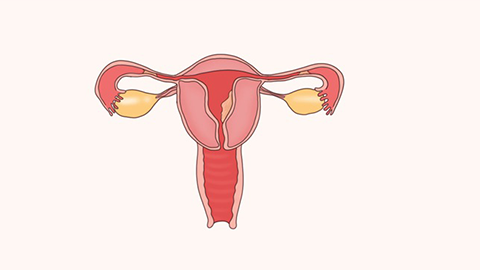
1. Lower abdominal pain: Patients often experience persistent lower abdominal pain, typically characterized as a dull or distending ache. The pain intensifies during physical activity, sexual intercourse, or defecation and does not significantly improve with rest. The pain is primarily concentrated in the central lower abdomen. Some patients may also experience lumbosacral soreness, which is related to inflammatory stimulation of the endometrium and surrounding tissues.
2. Abnormal vaginal discharge: There is a noticeable increase in vaginal discharge, which becomes thick in consistency and may appear yellow, yellow-green, or purulent (pus-like), accompanied by a strong, unpleasant odor. This occurs because the inflammation causes increased secretion from the endometrial glands, and the discharge contains numerous inflammatory cells and necrotic tissue. Some patients may notice blood streaks in the discharge.
3. Menstrual irregularities: The menstrual cycle may become irregular, with prolonged menstrual periods lasting longer than 7 days and significantly increased menstrual flow, often containing blood clots. Some patients may experience irregular vaginal bleeding outside of their menstrual period, with the blood typically appearing dark red. These changes are associated with the impact of inflammation on the normal shedding of the endometrium.
4. Pain during sexual intercourse: During sexual activity, irritation of the inflamed endometrium can cause lower abdominal or deep vaginal pain. This pain occurs during intercourse and may persist for some time afterward, causing patients to develop aversion to sexual activity and affecting sexual quality.
5. Manifestations related to pyometra: If severe inflammation leads to cervical canal adhesion and prevents the discharge of secretions, pyometra may develop. This presents as significant lower abdominal distension and pain, with increased tenderness upon palpation. When a large amount of pus accumulates, a tender mass may be palpable in the lower abdomen. This represents a more severe manifestation of endometritis.
In daily life, if the above symptoms occur, maintaining external genital hygiene, changing underwear regularly, avoiding unhygienic sexual practices, and ensuring adequate rest to avoid excessive fatigue can help reduce inflammatory irritation and alleviate physical discomfort.


