


What are the best foods for removing dampness?
Jul 15, 2025
Source: Cainiu Health

Dr. Sun Lianqing
Introduction
Generally speaking, there is no specific food considered as "the best for removing dampness." However, foods such as red adzuki beans, poria (Poria cocos), gorgon fruit (Euryale ferox), winter melon, and ginger may help in reducing dampness in the body. If there is a need to remove dampness, individuals can choose to consume these foods appropriately based on their own conditions. In daily life, in addition to dietary adjustments, methods such as sauna bathing and foot soaking can also be used to promote perspiration and help eliminate dampness.
Generally speaking, there is no such thing as "the best food for removing dampness." However, foods such as red adzuki beans, poria (Fu Ling), gorgon fruit (Qian Shi), winter melon, and ginger may help eliminate dampness from the body. If you have a need to remove dampness, you can consume these foods appropriately based on your individual condition. The detailed explanation is as follows:
1. Red Adzuki Beans: Red adzuki beans are neutral in nature, with a sweet and slightly sour taste. They have the effects of promoting diuresis, reducing edema, detoxification, and discharging pus. Rich in dietary fiber, they can promote intestinal motility and help eliminate excess water from the body, effectively alleviating symptoms such as edema and difficulty urinating caused by dampness. They can be used in soups or cooked with coix seed to make porridge.
2. Poria (Fu Ling): Poria is neutral in nature and sweet and bland in taste. It functions to strengthen the spleen and remove dampness, as well as calm the mind and induce tranquility. By enhancing spleen function, it promotes the metabolism and elimination of dampness, helping relieve symptoms such as body heaviness and abdominal distension caused by dampness. Poria can be ground into powder and added to porridge or soup for consumption.
3. Gorgon Fruit (Qian Shi): Gorgon fruit is neutral in nature, with a sweet and astringent taste. It has the effects of strengthening the spleen to remove dampness and consolidating the kidneys to restrain seminal emission. It enhances the spleen's ability to transform and transport water-dampness, reducing dampness accumulation in the body. It can improve symptoms such as diarrhea and loss of appetite caused by dampness. It is suitable for cooking porridge together with lotus seeds, yam, and other ingredients, providing gentle regulation of the body.
4. Winter Melon: Winter melon is cool in nature and sweet and bland in taste. It functions to clear heat, promote diuresis, reduce swelling, and detoxify. With high water content and rich dietary fiber, it promotes urination, helping eliminate dampness through increased urine output. It is especially suitable for consumption in summer and can be made into soup or stir-fried. Use minimal salt to preserve its dampness-removing properties.
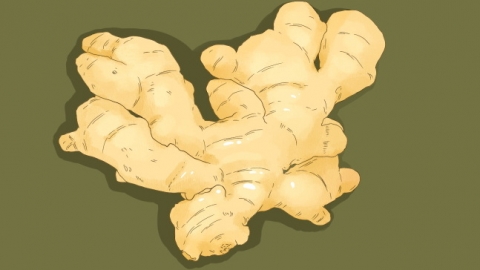
5. Ginger: Ginger is warm in nature and pungent in taste. It has the effects of warming the middle jiao, dispersing cold, transforming dampness, and relieving exterior syndromes. Containing gingerols, it stimulates gastrointestinal motility and promotes blood circulation, aiding in the elimination of dampness from the body. It is especially suitable for individuals with cold-damp constitution. An appropriate amount of ginger can be added during cooking, or ginger water can be consumed.
In daily life, in addition to dietary regulation for removing dampness, appropriate sweating through activities such as sauna or foot soaking can also help eliminate dampness by promoting perspiration. At the same time, avoid staying in damp environments for prolonged periods and keep clothing dry to help maintain a dry and comfortable physical condition.



