


What foods should be avoided with high blood sugar?
Jul 16, 2025
Source: Cainiu Health

Dr. Liu Feng
Introduction
Foods to avoid for high blood sugar typically include refined sugars, high-sugar fruits, fried foods, pickled foods, and alcoholic beverages. Refined sugars, such as white sugar, brown sugar, and rock sugar, contain extremely high levels of sugar. These foods are rapidly absorbed by the body, causing a sharp increase in blood glucose levels within a short time, which increases the burden on the pancreas and is detrimental to blood sugar control.
Generally speaking, foods to be avoided or restricted in case of high blood sugar include refined sugars, high-sugar fruits, fried foods, pickled foods, and alcoholic beverages. The details are as follows:
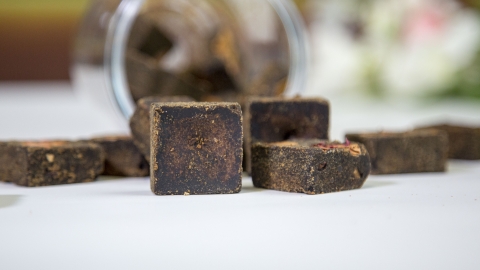
1. Refined Sugars: Such as white sugar, brown sugar, and rock sugar. These foods are extremely high in sugar content and are rapidly absorbed in the body, causing a sharp increase in blood sugar levels within a short time, increasing the burden on the pancreas, and negatively affecting blood sugar stability.
2. High-Sugar Fruits: Examples include lychee, longan, and mango. These fruits have high sugar content and cause a rapid rise in blood glucose levels. Consumption leads to significant fluctuations in blood sugar, interferes with the glucose regulation mechanism, and increases the difficulty of blood sugar control.
3. Fried Foods: Including dough sticks (youtiao), fried chicken, and French fries. These foods contain large amounts of oil and have very high calorie content. Long-term consumption can lead to obesity, reduce insulin sensitivity, make blood sugar more difficult to control, and may trigger other metabolic problems.
4. Pickled Foods: Such as pickled vegetables, cured meats, and preserved vegetables. These foods are made with large amounts of salt and sometimes contain additives. Consumption may affect blood pressure and increase the burden on the kidneys, indirectly negatively impacting blood sugar regulation.
5. Alcoholic Beverages: Whether it be spirits, beer, or wine, all contain alcohol. Alcohol can affect liver metabolism, interfere with glycogen breakdown and synthesis, lead to blood sugar fluctuations, and may interact with antidiabetic medications.
Individuals with high blood sugar should strictly control the intake of the above-mentioned foods. Daily meals should primarily consist of low-sugar, low-fat, and low-salt options, with more vegetables and coarse grains being preferred. If blood sugar levels remain unstable, medical advice should be sought promptly.




