


What foods and fruits should be avoided with high uric acid levels?
Jul 16, 2025
Source: Cainiu Health

Dr. Yang Tiesheng
Introduction
Under normal circumstances, there are no specific foods or fruits that individuals with high uric acid levels must completely avoid. However, it is generally recommended to limit the consumption of animal offal, seafood, concentrated meat broths, alcoholic beverages, and high-fructose drinks, as well as certain fruits such as lychee, longan, mango, persimmon, and bayberry, to prevent adverse reactions. Individuals with high uric acid levels should strictly control the intake of these foods and fruits and opt for low-purine and low-sugar options in their daily diet.
Generally speaking, there are no absolute dietary or fruit restrictions for individuals with high uric acid levels. However, intake of the following foods should generally be controlled: animal offal, seafood, concentrated meat broth, alcoholic beverages, high-fructose drinks, as well as fruits such as lychee, longan, mango, persimmon, and bayberry, to prevent adverse reactions. Detailed analysis is as follows:
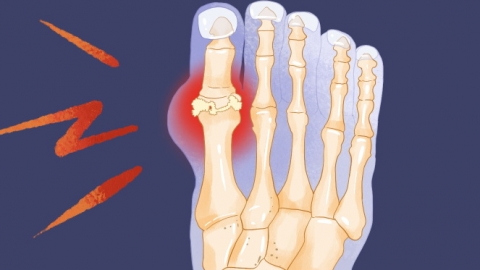
I. Foods
1. Animal offal: Such as pork liver and chicken kidneys, which are extremely high in purines. When consumed, these purines are converted into large amounts of uric acid in the body, causing a sharp increase in uric acid levels, increasing metabolic burden, and easily inducing gout.
2. Seafood: Such as shrimp, crab, and shellfish, most of which are high-purine foods. Consumption increases uric acid production significantly. Especially when uric acid excretion is impaired, uric acid deposition may occur, leading to joint pain.
3. Concentrated meat broth: Such as pork rib soup and lamb soup. During prolonged cooking, purines from meat dissolve into the broth. Drinking this broth may lead to excessive purine intake, increasing uric acid concentration and placing additional metabolic stress on the body.
4. Alcoholic beverages: Including white spirits and beer. Alcohol interferes with uric acid metabolism, reducing its excretion. Additionally, beer itself contains purines, and this dual effect can continuously elevate uric acid levels, affecting the body's regulation.
5. High-fructose beverages: Such as sugary sodas and fruit-flavored drinks. High fructose accelerates purine metabolism, increasing uric acid production. Long-term consumption disrupts uric acid balance and hampers control of uric acid levels.
II. Fruits
1. Lychee: A high-sugar fruit. Excessive consumption can impair metabolic function, indirectly hindering uric acid excretion, causing uric acid accumulation in the body, and worsening hyperuricemia.
2. Longan: High in sugar. Overconsumption increases metabolic burden, interferes with normal uric acid excretion, and may cause fluctuations in uric acid levels, which is detrimental to disease stability.
3. Mango: High in sugar content. Excessive consumption affects metabolic balance in the body, hinders uric acid excretion, thereby increasing uric acid concentration, which is unfavorable for individuals with high uric acid levels.
4. Persimmon: Although purine content is low, it contains high levels of sugar and tannic acid. Overconsumption may affect digestive function, indirectly impacting uric acid metabolism and increasing bodily burden.
5. Bayberry: High in sugar content. Excessive consumption may lead to metabolic disorders, affecting the efficiency of uric acid excretion, resulting in uric acid accumulation in the body, which is not conducive to controlling uric acid levels.
Individuals with high uric acid levels should strictly control their intake of the above foods and fruits. It is recommended to choose low-purine, low-sugar foods and fruits in daily life and drink plenty of water to promote uric acid excretion. If uric acid levels remain consistently high, timely medical consultation is advised, following professional guidance for regulation and treatment.


