


What are the causes of cough after fever from a viral infection?
Jul 17, 2025
Source: Cainiu Health

Dr. Ren Yi
Introduction
In general, possible causes of cough after fever due to viral infection may include respiratory mucosal damage, airway dryness and irritation, acute bronchitis, viral pharyngitis, and airway hyperresponsiveness. It is recommended to seek timely medical attention to determine the underlying cause and receive appropriate symptomatic treatment under a doctor's guidance. Daily management should include maintaining a regular作息 (sleep-wake cycle), avoiding staying up late, and following a light, nutritionally balanced diet.
Generally, after a fever caused by a viral infection, coughing may be due to factors such as respiratory mucosal damage, airway dryness and irritation, acute bronchitis, viral pharyngitis, or airway hyperresponsiveness. It is recommended to seek timely medical attention, identify the underlying cause, and undergo symptomatic treatment under a doctor's guidance. Detailed explanations are as follows:
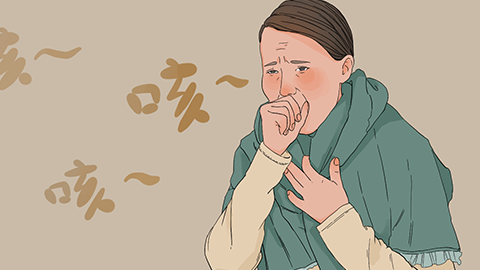
1. Respiratory mucosal damage: During a fever caused by a viral infection, the high body temperature and the virus itself may damage the respiratory mucosa. Mucosal shedding or ulcers may stimulate nerve endings, causing coughing accompanied by a dry throat and a sensation of a foreign body in the throat. Drinking more warm water to keep the respiratory tract moist, avoiding spicy and irritating foods, and taking watermelon frost lozenges or Jin Shangtang Throat Tablets may help relieve throat discomfort. The cough will gradually subside as the mucosa heals.
2. Airway dryness and irritation: During fever, increased water loss from the body causes dryness of the airway mucosa and increased sensitivity. Coughing may occur when the airway is stimulated by airflow. This is usually a dry cough, more noticeable at night or upon waking. Increasing water intake, using a humidifier indoors to maintain humidity at 50%-60%, avoiding excessive voice use, and taking dextromethorphan hydrobromide oral solution or promethazine hydrochloride tablets as directed by a physician may help alleviate symptoms when coughing is significant.
3. Acute bronchitis: When a viral infection spreads to the bronchi, it causes acute inflammation. Inflammatory stimulation of the bronchial mucosa leads to coughing, often accompanied by sputum production and chest tightness, with the cough persisting even after the fever subsides. Patients should rest adequately and take antiviral and expectorant medications such as ribavirin granules, ambroxol hydrochloride oral solution, or acetylcysteine granules as directed by a physician to promote inflammation resolution and reduce coughing irritation.
4. Viral pharyngitis: A viral infection affecting the throat can cause pharyngitis, with pharyngeal mucosal congestion and swelling. Secretions may irritate the throat, leading to coughing accompanied by sore throat and hoarseness, even after the fever has resolved. Avoid smoking and exposure to irritating gases. Follow medical advice to use medications such as compound borax mouthwash, Lan Qin Oral Liquid, or Pudi Lan Xiao Yan tablets to treat the pharyngeal inflammation and relieve coughing.
5. Airway hyperresponsiveness: After a viral infection, damage to the airway mucosa makes the smooth muscles prone to spasm, increasing sensitivity to irritants such as cold air and dust, which can trigger paroxysmal coughing that worsens with exposure to irritants. Wearing a mask when going outdoors can help reduce irritation. Follow medical advice to use medications such as budesonide inhaler, montelukast sodium chewable tablets, or levocetirizine hydrochloride tablets to reduce airway sensitivity and alleviate cough symptoms.
In daily life, maintain a regular routine, avoid staying up late, eat a light and nutritionally balanced diet, and consume more vegetables and fruits rich in vitamins to enhance the respiratory mucosa's ability to repair itself. When coughing, gently patting the back may help promote sputum expulsion. Avoid forceful coughing that could damage the throat and help the body recover faster.




