


What are the causes of endometriosis?
Jul 17, 2025
Source: Cainiu Health

Dr. Zhang Lu
Introduction
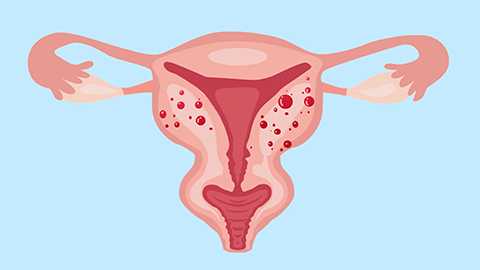
In general, endometriosis may be caused by retrograde menstruation, genetic factors, abnormal immune function, a history of uterine cavity procedures, pelvic inflammatory disease, and other factors. If you experience any discomfort, it is recommended to seek medical attention promptly. In daily life, it is important to maintain a balanced diet, consume more foods rich in vitamins and minerals, engage in appropriate physical exercise, and enhance overall physical health.
Generally, endometriosis may be caused by retrograde menstruation, genetic factors, abnormal immune function, a history of uterine procedures, pelvic inflammatory disease, and other factors. If experiencing any discomfort, it is recommended to seek medical attention promptly. Detailed explanations are as follows:
1. Retrograde Menstruation
During menstruation, some menstrual blood mixed with endometrial fragments flows retrograde through the fallopian tubes into the pelvic cavity and other areas. These endometrial fragments may implant and grow at ectopic sites, potentially causing endometriosis. It is advisable to avoid strenuous exercise and heavy physical labor during menstruation to reduce the chance of retrograde flow. Maintaining good menstrual hygiene and emotional stability is also important to prevent abnormal uterine contractions that might exacerbate retrograde menstruation.
2. Genetic Factors
Women with a family history of endometriosis have a significantly increased risk of developing the condition themselves, which is related to the influence of genetic genes on endometrial cells. These women should remain vigilant and undergo regular gynecological examinations for early detection and early intervention. Maintaining a healthy lifestyle, including a balanced diet and regular sleep patterns, can help enhance the body's resistance to disease.
3. Abnormal Immune Function
Abnormal immune function may prevent the body from effectively clearing endometrial fragments that have flowed retrograde into the pelvic cavity, allowing these fragments to survive and grow in ectopic locations, thereby triggering endometriosis. This may be accompanied by symptoms such as dysmenorrhea and pain during sexual intercourse. Under a doctor's guidance, immunomodulatory medications such as transfer factor oral solution, thymopentin enteric-coated tablets, and pidotimod oral solution may be used. Additionally, engaging in moderate physical activities like yoga or tai chi can help improve immune function and maintain a positive mindset.
4. History of Uterine Procedures
Uterine procedures such as induced abortion, curettage, and hysterosalpingography may inadvertently carry endometrial fragments into the pelvic cavity and other areas, increasing the risk of endometriosis. Symptoms may include lower abdominal pain and menstrual irregularities. If there is a history of such procedures, it is important to closely monitor physical condition and undergo regular gynecological examinations. If discomfort occurs, medication under a doctor's guidance, such as ibuprofen sustained-release capsules, naproxen sodium tablets, or indomethacin enteric-coated tablets, may be used to alleviate symptoms. Further treatment should be pursued as directed by a physician when necessary.
5. Pelvic Inflammatory Disease
Pelvic inflammatory disease can alter the pelvic environment and disrupt normal physiological functions of the pelvis, possibly promoting the implantation and growth of endometrial fragments within the pelvic cavity, thus inducing endometriosis. Common symptoms include fever and a sensation of pressure or discomfort in the lower abdomen. Active treatment of pelvic inflammatory disease under a doctor's guidance is essential, including the use of medications such as cefixime dispersible tablets, metronidazole tablets, and levofloxacin hydrochloride capsules. Adequate rest, avoiding fatigue, and maintaining good external genital hygiene are important during treatment to prevent recurrent inflammation.
In daily life, it is important to maintain a balanced diet rich in vitamins and minerals, and to engage in appropriate physical exercise to strengthen overall physical health.






