How to reduce internal heat (fire) in babies causing eye discharge
Jul 17, 2025
Source: Cainiu Health

Dr. Zhou Xiaofeng
Introduction
Under normal circumstances, infant "heatiness" accompanied by eye discharge may be caused by improper diet, dry environment, bacterial conjunctivitis, dacryocystitis, keratitis, or other conditions. Heatiness can usually be alleviated through dietary adjustments, environmental improvements, and medication. If abnormalities occur, prompt medical attention is recommended. Improper feeding practices, such as excessive intake of spicy or greasy foods, or overly concentrated formula preparation, can contribute to this condition.
Under normal circumstances, infant eye discharge ("eye pus") may be caused by improper diet, dry environment, bacterial conjunctivitis, dacryocystitis, keratitis, and other conditions. Usually, reducing "internal heat" can be achieved through dietary adjustments, environmental improvements, or medical treatments. If abnormalities occur, timely medical consultation is recommended. Detailed explanations are as follows:
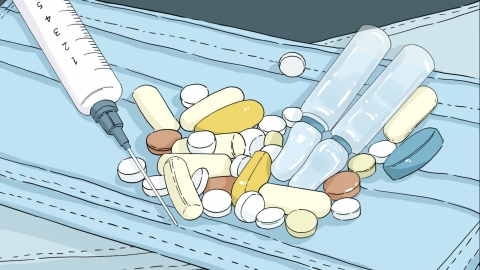
1. Improper Diet: Feeding infants excessive spicy or greasy foods, or preparing formula too concentrated, may cause internal heat in the infant's body, leading to excessive eye discharge. It is recommended to adjust the diet, reduce intake of spicy and greasy foods, follow the recommended formula dilution ratio, and give the infant more warm water to drink.
2. Dry Environment: In a dry air environment, infants can easily lose body moisture, leading to internal heat and increased eye discharge. Using a humidifier to increase indoor humidity and maintaining an appropriate humidity level, along with providing additional hydration for the infant, can help alleviate this condition.
3. Bacterial Conjunctivitis: Inflammation of the conjunctiva caused by bacterial infection leads to conjunctival congestion, swelling, and increased secretions that form eye discharge. It is often accompanied by symptoms such as red eyes, tearing, and eyelid swelling. Treatment mainly involves using medications such as Tobramycin Eye Drops, Erythromycin Eye Ointment, Levofloxacin Eye Drops, as directed by a physician.
4. Dacryocystitis: Nasolacrimal duct obstruction or narrowing causes tear retention, allowing bacterial growth and resulting in inflammation. This leads to increased eye discharge, often accompanied by tearing and redness and swelling at the inner corner of the eye. Doctors generally recommend treatment with Chloramphenicol Eye Drops, Fusidic Acid Cream, or Tetracycline Hydrochloride Eye Ointment.
5. Keratitis: Infection of the cornea by bacteria, viruses, or other pathogens causes inflammation. Corneal irritation results in increased secretions forming eye discharge, often accompanied by eye pain, photophobia, and blurred vision. It is recommended to use medications such as Acyclovir Eye Drops, Ganciclovir Ophthalmic Gel, or Cefazolin Sodium for Injection under a doctor's guidance.
In daily life, attention should be paid to the infant's eye hygiene, avoiding letting the infant rub their eyes with their hands. Provide the infant with bland and easily digestible food, and maintain good indoor air circulation to reduce the occurrence of internal heat and eye discomfort. If the infant has excessive eye discharge accompanied by other abnormal symptoms, prompt medical consultation is advised.