


What are the three fruits that gout sufferers should be most cautious about?
Jul 18, 2025
Source: Cainiu Health

Dr. Yang Tiesheng
Introduction
Under normal circumstances, there is no specific saying that gout fears three particular fruits. However, patients with gout generally should be cautious about consuming excessive amounts of fruits such as lychee, longan, durian, sugarcane, and mango. Individuals with gout should reduce their intake of these fruits in daily life and opt for fruits with lesser impact on uric acid levels, such as cherries and strawberries. Additionally, it is important to drink plenty of water and maintain a low-purine diet.
Generally speaking, there is no concept of "three fruits that gout patients fear the most." However, gout patients are usually advised to avoid excessive consumption of certain fruits such as lychee, longan, durian, sugarcane, and mango. Detailed explanations are as follows:
1. Lychee: Lychee has a high sugar content. Excessive consumption can increase the level of fructose in the body. The metabolism of fructose accelerates purine breakdown, leading to increased uric acid production, which may trigger gout attacks and worsen joint pain symptoms.
2. Longan: Longan also contains high levels of sugar. Excessive intake can affect the body's metabolism, hinder uric acid excretion, cause uric acid accumulation in the body, and easily trigger acute gout attacks, which is not conducive to disease control.
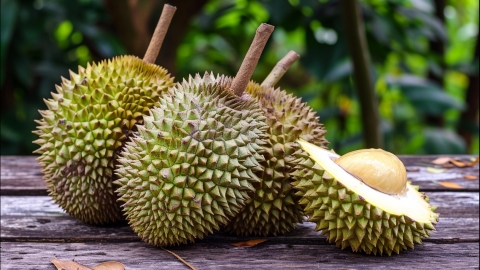
3. Durian: Durian is high in calories and sugar. Overconsumption may lead to weight gain. Obesity can impair uric acid metabolism, elevate uric acid levels, increase the risk of gout attacks, and negatively affect recovery.
4. Sugarcane: Sugarcane mainly contains sucrose and has an extremely high sugar content. Consuming large amounts can disrupt sugar metabolism in the body, indirectly reducing uric acid excretion, which may lead to elevated uric acid levels and trigger gout symptoms.
5. Mango: Mango has a considerable sugar content. Excessive consumption can increase the metabolic burden on the body, affect the normal excretion of uric acid, and possibly exacerbate joint discomfort in gout patients, which is detrimental to recovery.
Gout patients should reduce their intake of the above fruits in daily life and opt for fruits such as cherries and strawberries, which have a lesser impact on uric acid levels. Additionally, staying hydrated and maintaining a low-purine diet are important.



