


What causes uneven endometrial echogenicity?
Jul 19, 2025
Source: Cainiu Health

Dr. Zhang Lu
Introduction
Under normal circumstances, uneven endometrial echogenicity may be caused by menstrual cycle changes, endometrial repair phase, endometritis, endometrial polyps, submucosal uterine fibroids, or other similar reasons. If discomfort symptoms occur, it is recommended to seek timely medical consultation and treatment at a正规 hospital. In daily life, one should maintain external genital hygiene and avoid unclean sexual practices, as well as develop good living habits.
Generally, uneven endometrial echoes may be caused by menstrual cycle changes, endometrial repair phase, endometritis, endometrial polyps, submucosal uterine fibroids, and other factors. If discomfort symptoms occur, it is recommended to seek timely treatment at a regular hospital. Detailed analysis is as follows:
1. Menstrual Cycle Changes
During the menstrual cycle, the endometrium undergoes processes of proliferation, secretion, and shedding. Immediately after menstruation, incomplete shedding of the endometrium may lead to uneven echoes, which is a normal physiological phenomenon and does not require special treatment.
2. Endometrial Repair Phase
After procedures such as induced abortion or curettage, the endometrium is in a stage of recovery, and localized tissue growth may not yet be fully uniform, possibly causing uneven echoes. Postoperative care should include adequate rest, avoiding tub bathing and sexual intercourse to prevent infection. Maintaining emotional stability and avoiding anxiety can also promote physical recovery.
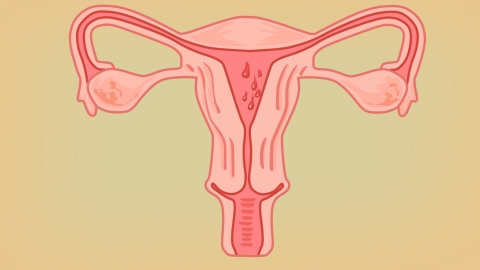
3. Endometritis
Infection of the endometrium by pathogens causing inflammation can lead to endometrial congestion, edema, localized tissue proliferation or necrosis, resulting in uneven echoes. This condition is often accompanied by symptoms such as lower abdominal pain and increased vaginal discharge. Anti-infective medications such as cefuroxime axetil tablets, metronidazole tablets, and levofloxacin hydrochloride capsules should be used under medical guidance.
Localized excessive growth of the endometrium forming polyps can cause structural abnormalities of the endometrium, leading to uneven echoes. This may result in prolonged menstrual periods and increased menstrual flow. If the polyps are large or symptoms are significant, hysteroscopic polypectomy can be performed at a regular hospital. Regular follow-up examinations are necessary post-surgery to monitor endometrial recovery.
5. Submucosal Uterine Fibroids
Fibroids growing into the uterine cavity can alter the morphology of the endometrium, causing uneven echoes during ultrasound examination. Symptoms such as increased menstrual flow and prolonged menstrual periods may also occur. Patients can use anti-infective medications such as amoxicillin clavulanate potassium tablets, cefaclor capsules, and azithromycin dispersible tablets under medical guidance.
In daily life, maintaining external genital hygiene and avoiding unclean sexual practices are important. Developing good living habits, avoiding staying up late, engaging in appropriate physical exercise, and enhancing physical resistance are also recommended. Regular gynecological ultrasound examinations should be conducted to monitor endometrial conditions promptly.


