


How to Prevent Varicose Veins in the Legs
Jul 21, 2025
Source: Cainiu Health

Dr. Liu Feng
Introduction
Prevention of varicose veins in the lower limbs generally involves avoiding prolonged standing or sitting, maintaining regular leg exercises, controlling body weight, choosing appropriate clothing, and elevating the legs during rest. Remaining in the same posture for extended periods can impede venous blood return in the lower limbs and increase venous pressure. Getting up and moving around, such as walking or stretching the legs, every approximately 30 minutes can promote blood circulation and reduce blood stasis.
Generally, the prevention of varicose veins in the lower limbs can usually be achieved by avoiding prolonged standing or sitting, maintaining leg exercises, controlling body weight, choosing appropriate clothing, and elevating the legs during rest. A detailed explanation is as follows:
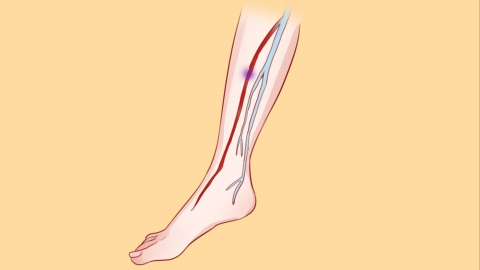
1. Avoid prolonged standing or sitting: Maintaining the same posture for a long time can obstruct venous blood return in the lower limbs, increasing venous pressure. Getting up and moving around every 30 minutes, such as walking or stretching the legs, can promote blood circulation and reduce blood stasis.
2. Maintain leg exercises: Engaging daily in activities such as walking, cycling, or rising onto the toes can strengthen leg muscles. Muscle contractions compress the veins, assisting blood return and reducing pressure on the vein walls, thus preventing vascular dilation.
3. Control body weight: Excess body weight increases the burden on the lower limbs, keeping the veins under prolonged high pressure. Maintaining a normal weight through balanced diet and moderate exercise can alleviate pressure on leg veins and reduce the risk of varicosities.
4. Choose appropriate clothing: Wear loose pants and comfortable shoes, and avoid tight clothing that restricts the legs. Tight clothing can impede venous blood flow and increase the burden on veins. Particularly avoid wearing tight stockings or waist-shaping pants for extended periods.
5. Elevate the legs while resting: Before going to bed each night, raise both legs and place them on a pillow or cushion so that the legs are above heart level. This utilizes gravity to promote blood return, reduces blood stagnation in the leg veins, and alleviates venous pressure.
Preventing lower limb varicose veins should be integrated into daily habits, and long-term adherence is necessary to achieve results. If you notice symptoms such as protruding veins, leg aching, or a feeling of heaviness in the legs, you should pay attention and adjust your lifestyle accordingly, and consult a doctor for further preventive measures when necessary.





