


How is hypothyroidism treated?
Jul 30, 2025
Source: Cainiu Health

Dr. Yang Chuanjia
Introduction
In general, the treatment of hypothyroidism mainly includes hormone replacement therapy, regular monitoring of hormone levels, adjustment of diet, lifestyle interventions, and symptomatic management of complications, aiming to control the condition through comprehensive measures. Patients are advised to strictly follow medical instructions regarding medication and must not discontinue or adjust the dosage on their own. It is also important to maintain a positive mindset in daily life and avoid excessive mental stress.
Generally, the treatment of hypothyroidism mainly includes hormone replacement therapy, regular monitoring of hormone levels, adjustment of diet, lifestyle interventions, and symptomatic management of complications, controlling the condition through comprehensive measures. The details are as follows:
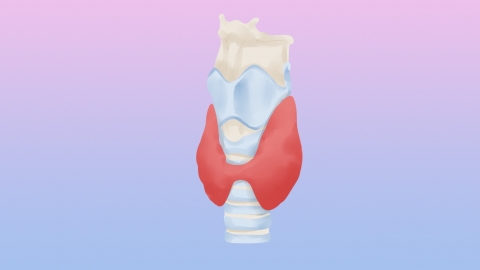
1. Hormone Replacement Therapy: Hypothyroidism primarily results from insufficient thyroid hormone secretion. Patients need to take medications such as levothyroxine sodium tablets under a doctor's guidance for hormone replacement, supplementing the body's required thyroid hormones to maintain hormone levels within the normal range and alleviate symptoms related to slowed metabolism. Dosage must be adjusted according to individual conditions, and long-term adherence to medication is usually necessary.
2. Regular Monitoring of Hormone Levels: Thyroid function needs to be tested regularly during treatment. Blood tests can track changes in indicators such as thyroid-stimulating hormone (TSH) and thyroxine (T4), allowing doctors to adjust medication dosages based on test results, ensuring stable therapeutic effects and avoiding fluctuations in the condition caused by inappropriate dosage.
3. Adjustment of Diet: Appropriately increase intake of iodine-rich foods such as kelp, nori, and sea fish, providing raw materials for thyroid hormone synthesis. However, iodine intake should be moderate to avoid excessive consumption, which could burden the thyroid gland. At the same time, ensure sufficient intake of nutrients such as proteins and vitamins to maintain normal body metabolism.
4. Lifestyle Intervention: Maintain a regular routine, avoid staying up late and excessive fatigue, and ensure adequate sleep, which helps regulate endocrine function. Engage in appropriate moderate exercise, such as walking, yoga, or tai chi, to promote blood circulation and metabolism, enhance immune function, and assist in improving the condition.
5. Symptomatic Management of Complications: Hypothyroidism may lead to complications such as abnormal lipid levels and anemia. Corresponding measures should be taken depending on the specific situation. For example, elevated lipid levels can be improved through dietary adjustments and increased physical activity; anemia can be corrected by supplementing with iron, vitamin B12, etc.
Patients are advised to strictly follow medical instructions regarding medication and must not discontinue or adjust dosages on their own. Maintaining a positive mindset and avoiding excessive mental stress in daily life, along with appropriate treatment and care, can help maintain normal body function and improve quality of life.






