


Comprehensive Guide to Postpartum Care After Vaginal Delivery
Jul 09, 2021
Source: Cainiu Health
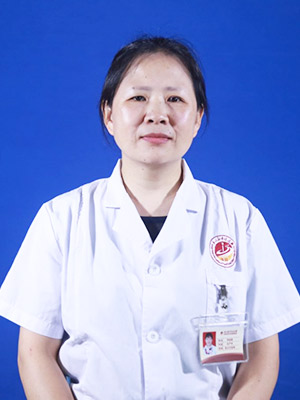
Dr. Deng Xuanbi
Introduction
1. Maintain personal hygiene, as the body produces a significant amount of secretions and other debris during the postpartum confinement period.
2. Follow a balanced diet: During the postpartum confinement period, it is essential to eat nutritiously—consume adequate protein, fresh vegetables and fruits, and drink soups or broths in moderation.
3. Ensure sufficient sleep: Remain bedridden for at least two weeks during the postpartum confinement period to facilitate uterine recovery.
For women who have had a vaginal delivery, the postpartum confinement period (“sitting the month”) involves numerous important details. The most critical point is to avoid bathing or washing hair with cold water, as doing so may lead to long-term health complications and unnecessary sequelae. Additionally, it is essential to maintain good ventilation in the living environment and ensure cleanliness and hygiene of the vaginal area to minimize the risk of bacterial infection—otherwise, overall physical resilience may decline, potentially leading to various illnesses. So, what are the comprehensive guidelines for postpartum care following a vaginal delivery? Below, we address this question in detail.

Comprehensive Guidelines for Postpartum Care Following Vaginal Delivery
1. Maintain Personal Hygiene
During the postpartum confinement period, the body produces abundant secretions and other discharge. It is advisable to wait approximately one week before washing hair or taking a bath—but take care not to catch a chill. A shower is preferable to a tub bath, and hot-water bathing should be brief—ideally no longer than 10 minutes. The perineal area should be gently cleansed daily to support healing and recovery. Furthermore, sexual intercourse should be avoided during this period, as both the uterus and vagina require time to heal; engaging in intercourse prematurely increases the risk of infection, potentially resulting in serious gynecological disorders.

2. Adopt a Balanced Diet
Nutrition during the postpartum confinement period must be carefully managed. Consume adequate protein, fresh vegetables, and fruits, and drink appropriate amounts of soups and broths. Minimize intake of greasy, raw, cold, spicy, or overly heating foods, and follow a low-salt diet to prevent malnutrition. During pregnancy and the postpartum period, ensure sufficient calcium intake and maintain good oral hygiene to protect dental health. If any physical discomfort arises, seek timely medical evaluation and treatment.

3. Ensure Adequate Sleep and Rest
At least two weeks of bed rest are recommended after delivery to facilitate uterine recovery. Light ambulation may begin approximately 24 hours postpartum to help prevent thrombosis. Avoid strenuous physical activity, as intense exercise may cause muscle soreness, lower back pain, or other “postpartum illnesses,” compromising long-term health. Indoor temperature should be maintained between 20–25°C, and rooms should be well-ventilated—not sealed—to promote healthy air circulation, thereby reducing the risk of bacterial or viral infection.
The above outlines key considerations for postpartum care following vaginal delivery. We hope this information proves helpful to you.




