


What should I do if my lips are dry, cracked, and peeling during the postpartum confinement period?
Dec 01, 2025
Source: Cainiu Health

Dr. Liu Wenmin
Introduction
In general, chapped and peeling lips during the postpartum confinement period may be caused by insufficient hydration, dry environment, angular cheilitis, cheilitis, or vitamin B2 deficiency. Depending on the specific situation, patients can improve the condition through general care or medical treatments such as medications. Care during the postpartum period should be meticulous, with a balanced diet and adequate fluid intake. Use mild lip care products for daily lip maintenance.
Generally, chapped and peeling lips during the postpartum confinement period may be caused by insufficient water intake, dry environment, angular cheilitis, cheilitis, vitamin B2 deficiency, or other reasons. Patients can choose appropriate approaches such as general care or medical treatment based on their specific condition. Detailed analysis is as follows:
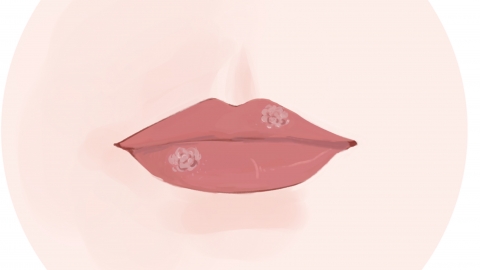
1. Insufficient Hydration
Excessive sweating after childbirth and high fluid demands from breastfeeding can lead to inadequate moisture if water intake is insufficient, resulting in dryness, cracking, and peeling of the lip mucosa. Drink warm water frequently in small amounts, rinse the mouth with warm water after each meal, and maintain moisture in the oral cavity and lips.
2. Dry Environment
Low indoor humidity causes rapid evaporation of moisture from the lips, damaging the skin barrier and leading to lip problems. Use a humidifier to maintain indoor humidity between 40% and 60%, and wear a mask when going outdoors to reduce moisture loss from the lips.
3. Angular Cheilitis
Bacterial or fungal infections at the corners of the mouth and on the lips cause inflammatory irritation, leading to mucosal congestion, dryness, and peeling, often accompanied by redness at the mouth corners. Under medical guidance, apply erythromycin ointment, clotrimazole cream, or take vitamin B2 tablets. Clean the lips promptly after eating.
4. Cheilitis
Inflammation of the lips triggered by irritants such as lipstick or toothpaste, presenting as dry, flaky lips, and even exudation. Discontinue use of suspected irritants, follow doctor’s instructions to apply tacrolimus ointment or oxytetracycline hydrochloride ointment, take loratadine tablets if needed, and avoid licking lips or picking at peeling skin.
5. Vitamin B2 Deficiency
Unbalanced diet after childbirth leads to inadequate intake of vitamin B2, impairing mucosal repair and causing dry, peeling lips. Adjust the diet to include more eggs, lean meat, and spinach. Under medical supervision, take vitamin B2 tablets, compound vitamin B tablets, or nicotinamide tablets.
Postpartum care requires attention to detail: maintain a balanced diet and adequate hydration; use gentle lip care products and keep indoor humidity at an appropriate level. If lip conditions persist without improvement, seek timely medical evaluation to identify the underlying cause and receive targeted treatment.



