


How to stop a nosebleed quickly
Aug 06, 2025
Source: Cainiu Health

Dr. Lu Cheng
Introduction
Common methods for quickly stopping a nosebleed include digital pressure hemostasis, cold compress hemostasis, packing hemostasis, and pharmacological hemostasis. Use your thumb and index finger to pinch both sides of the nostrils and apply continuous pressure for 5-10 minutes. This external pressure helps close the blood vessels at the bleeding site in the front part of the nasal cavity, thereby blocking blood flow and achieving hemostasis. Appropriate pressure should be applied during compression; too little pressure may fail to stop the bleeding, while excessive pressure may cause discomfort.
Generally, nosebleeds may be caused by dry air, aggressive nose picking, allergic rhinitis, acute rhinitis, or deviated nasal septum. Nosebleeds can be stopped quickly by improving the environment, adjusting habits, or medication. If symptoms persist or worsen, prompt medical attention is recommended. Detailed explanations are as follows:
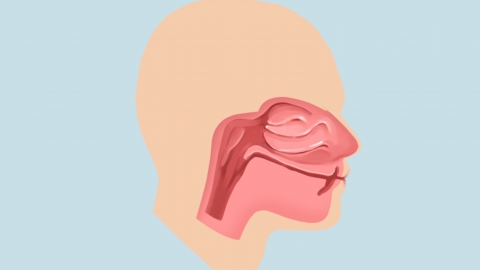
1. Dry air: In environments with low humidity, the nasal mucosa may become dry and fragile due to moisture loss, making it prone to capillary rupture and subsequent nosebleeds. It is recommended to use a humidifier to increase indoor humidity and drink more warm water to keep the nasal mucosa moist.
2. Aggressive nose picking: Vigorous nose picking with fingers or other objects can directly damage the nasal mucosa and capillaries, leading to vascular rupture and nosebleeds. Avoid picking the nose and develop good nasal hygiene habits. If there is nasal discharge, normal saline nasal irrigation can be used.
3. Allergic rhinitis: After exposure to allergens, an allergic reaction occurs in the nasal mucosa, causing congestion and edema. The capillaries beneath the mucosa become more fragile and prone to rupture, leading to nosebleeds. This is often accompanied by symptoms such as nasal itching, sneezing, rhinorrhea, and nasal congestion. Treatment mainly involves using medications such as loratadine tablets, budesonide nasal spray, and montelukast sodium chewable tablets as directed by a physician.
4. Acute rhinitis: Viral or bacterial infection causes acute inflammation of the nasal mucosa, resulting in mucosal congestion and swelling. Capillaries become dilated and prone to rupture, causing nosebleeds along with nasal congestion, rhinorrhea, sore throat, and fever. Doctors generally recommend treatment with ribavirin granules, cefixime dispersible tablets, mometasone furoate nasal spray, etc.
5. Deviated nasal septum: When the nasal septum is deviated to one or both sides, the mucosa at the deviated site is thinner and more susceptible to airflow and dust irritation. This can lead to mucosal dryness and erosion, causing capillary rupture and nosebleeds, often accompanied by nasal congestion and headaches. It is recommended to use medications such as compound menthol nasal drops, erythromycin ointment, and physiological saline nasal spray under a doctor's guidance to relieve symptoms. Severe cases may require surgical treatment.
In daily life, maintaining a healthy lifestyle—including keeping indoor humidity at appropriate levels, avoiding aggressive nose picking, and engaging in regular physical exercise—can help reduce the occurrence of nosebleeds.




