


What should you do when experiencing a nosebleed?
Nov 27, 2025
Source: Cainiu Health

Dr. Lu Cheng
Introduction
In general, nosebleeds may be caused by dry air, nose-picking habits, allergic rhinitis irritation, acute rhinitis episodes, deviated nasal septum, or other reasons. It is recommended to seek medical attention promptly, identify the underlying cause, and then improve the condition under a doctor's guidance through general management, medication, surgical treatment, etc. In daily life, avoid spicy and heat-inducing foods, and consume more pears, kiwifruits, and similar fruits.
Nosebleeds are generally caused by factors such as dry air, habitual nose picking, allergic rhinitis irritation, acute rhinitis episodes, or deviated nasal septum. It is recommended to seek medical attention promptly to determine the underlying cause and, under a doctor's guidance, improve the condition through general management, medication, or surgical treatment. Specific analyses are as follows:
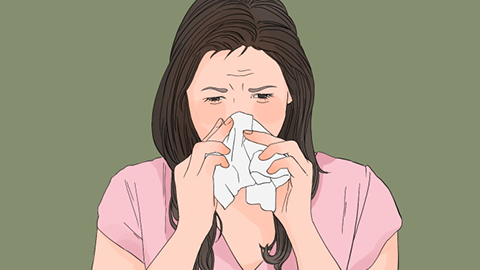
1. Dry Air: Dry air causes the nasal mucosa to lose moisture, making it less elastic, more fragile, and prone to rupture and bleeding from minor irritation. Use a humidifier indoors to maintain humidity levels between 50% and 60%. Moisten the nasal mucosa daily with saline nasal spray, and avoid prolonged exposure to direct airflow from air conditioning.
2. Nose Picking Habit: Sharp fingernails or forceful digging can directly scratch the delicate nasal mucosa and damage blood vessels, leading to bleeding. Keep fingernails trimmed smooth and flat, avoid picking the nose entirely. During a nosebleed, immediately lean forward and tilt the head downward, applying firm pressure to both sides of the nostrils for 5–10 minutes to stop the bleeding. Avoid tilting the head backward, which may cause blood to flow into the throat.
3. Allergic Rhinitis Irritation: After exposure to allergens, nasal mucosa becomes congested and swollen. Frequent sneezing or rubbing the nose can easily damage the mucosa and cause bleeding, often accompanied by nasal itching and runny nose. Follow your doctor’s instructions to use medications such as loratadine tablets, cetirizine hydrochloride drops, or mometasone furoate nasal spray to relieve symptoms.
4. Acute Rhinitis Episode: Viral or bacterial infections trigger nasal inflammation, causing mucosal congestion, swelling, and dilated blood vessels. Bleeding may occur during coughing or nose-blowing, often accompanied by nasal congestion and sore throat. Treatments may include medications such as Pudilan anti-inflammatory oral liquid, cefuroxime axetil tablets, or pseudoephedrine hydrochloride nasal drops, as prescribed by a physician.
5. Deviated Nasal Septum: An abnormal structural deviation of the nasal septum toward one side results in thin mucosa with dense blood vessels at the deviated area, making it susceptible to airflow-induced rupture and recurrent bleeding. When medication fails to control bleeding effectively, septoplasty may be performed to correct the anatomical deviation, normalize nasal airflow, and reduce mucosal injury and bleeding.
In daily life, avoid spicy and heat-inducing foods, and consume more vitamin-rich fruits and vegetables such as pears and kiwifruit. Avoid severe impacts to the nose during exercise, and wear a mask when outdoors in dry or polluted environments. Practicing proper nasal care can help reduce the frequency of nosebleeds and maintain nasal health.



