


Why do I have a nosebleed when I wake up in the morning?
Nov 28, 2025
Source: Cainiu Health

Dr. Lu Cheng
Introduction
In general, nosebleeds upon waking in the morning may be caused by dry air at night, habitual nose picking upon rising, allergic rhinitis, atrophic rhinitis, or deviated nasal septum. It is recommended to seek medical attention promptly, identify the underlying cause, and receive symptomatic treatment under a doctor's guidance. In daily diet, consume more fresh fruits and vegetables rich in vitamin C to enhance mucosal elasticity.
Generally, nosebleeds upon waking in the morning may be caused by dry air at night, habitual nose-picking upon rising, allergic rhinitis, atrophic rhinitis, or deviated nasal septum. It is recommended to seek medical attention promptly to identify the underlying cause and receive appropriate treatment under a doctor's guidance. Specific analyses are as follows:
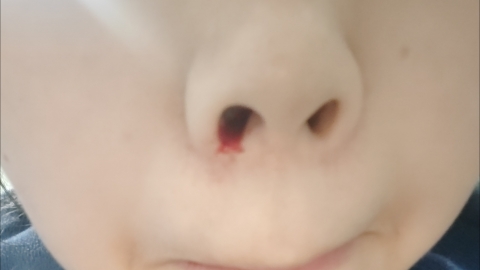
1. Dry air at night: Low indoor humidity during sleep causes the nasal mucosa to lose moisture, becoming brittle and prone to rupture and bleeding upon waking. Using a humidifier in the bedroom before sleep, maintaining humidity between 40%–60%, drinking a glass of warm water before bed, or applying a small amount of Vaseline inside the nasal passages can help moisturize the mucosa.
2. Habitual morning nose-picking: A sensation of nasal foreign body upon waking may lead to nose-picking, which easily damages capillaries in the nasal cavity and causes bleeding. Breaking this habit is essential. If there is nasal discharge, use saline nasal spray to moisten the area first, then gently blow the nose—avoid forcefully rubbing the nose.
3. Allergic rhinitis: Exposure to allergens such as dust mites and dust from bedding upon waking can cause nasal mucosal congestion and swelling, making bleeding likely when sneezing or blowing the nose. Patients may follow medical advice to use medications such as cetirizine hydrochloride drops, budesonide nasal spray, or montelukast sodium tablets.
4. Atrophic rhinitis: The nasal mucosa becomes thin and atrophied, with reduced glandular secretion, leading to dryness, easy rupture, and bleeding. This condition is often accompanied by foul odor in the nasal cavity and decreased sense of smell. Patients may use medications such as compound menthol nasal drops, vitamin AD drops, or saline nasal irrigation solution as directed by a physician.
5. Deviated nasal septum: When the nasal septum is deviated to one side, the mucosa at the curved site becomes thin and more fragile in dry nighttime conditions, making morning nosebleeds more likely. Septoplasty can be performed to correct the deviation, improve nasal airflow, and reduce mucosal injury and bleeding.
In daily life, eat more fresh fruits and vegetables rich in vitamin C to enhance mucosal elasticity. If nosebleeds occur upon waking, lower your head forward and apply pressure to both sides of the nostrils with your fingers for 5–10 minutes to stop the bleeding; avoid tilting the head backward to prevent blood from flowing into the throat. Regularly clean bedding to reduce allergen accumulation.


