Is physical therapy effective for head tightness caused by cervical spondylosis?
Aug 11, 2025
Source: Cainiu Health

Dr. Sun Lianqing
Introduction
Head tightness caused by cervical spondylosis can be somewhat relieved through physical therapy, although the effectiveness varies depending on the condition and individual differences. Appropriate physical therapy methods should be selected reasonably. During therapy, the treatment method should be chosen according to the type and severity of cervical spondylosis; blind attempts should be avoided. Keep the neck warm during physical therapy, avoid prolonged periods of bending the head forward or maintaining the same posture, and reduce the burden on the neck.
Generally, head tightness caused by cervical spondylosis can be somewhat relieved by physical therapy, although the effectiveness varies depending on the condition and individual differences. Appropriate selection of physical therapy methods is necessary. Detailed analysis is as follows:
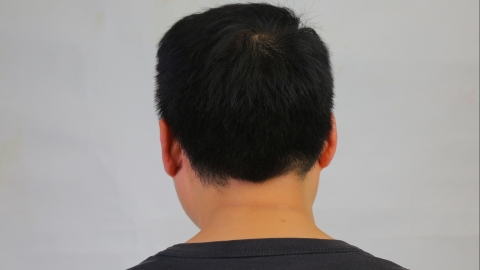
Head tightness resulting from cervical spondylosis is often caused by tension in the neck muscles, nerve compression, or poor blood circulation. Common physical therapy methods such as heat application, massage, acupuncture, and traction can help relax neck muscles, improve local blood circulation, and alleviate nerve compression, thereby relieving the discomfort of head tightness, especially for cervical-type cervical spondylosis or cases with milder symptoms.
If the cervical spondylosis is severe, such as significant intervertebral disc herniation or marked spinal canal stenosis, physical therapy alone may not completely resolve the issue, and additional treatment methods may be required. Moreover, improper physical therapy methods, such as excessive massage pressure or unsuitable traction angles, might worsen discomfort. Therefore, treatment should be conducted under professional guidance.
When undergoing physical therapy, it is important to choose appropriate methods based on the type and severity of cervical spondylosis to avoid blind attempts. During physical therapy, keep the neck warm, avoid prolonged periods of looking down or maintaining the same posture, and reduce strain on the neck.