


Can hemorrhoids be treated with physical therapy instead of surgery?
Aug 20, 2025
Source: Cainiu Health

Dr. Li Jingxiang
Introduction
In general, whether hemorrhoids can be treated with physical therapy instead of surgery depends on the specific condition. Mild hemorrhoids can often be managed with physical therapy to alleviate symptoms; however, for moderate to severe hemorrhoids, physical therapy has limited effectiveness and usually cannot replace surgical treatment, which may be necessary. It is recommended to seek timely medical attention and choose an appropriate treatment method under the guidance of a physician.
Generally, whether hemorrhoids can be treated with physical therapy instead of surgery depends on the specific condition. Mild hemorrhoids can often be managed with physical therapy instead of surgery, effectively alleviating symptoms through physical methods, while moderate to severe hemorrhoids often respond poorly to physical therapy, making surgery necessary. It is recommended to seek timely medical advice and choose an appropriate treatment method under a doctor's guidance. Detailed analysis is as follows:
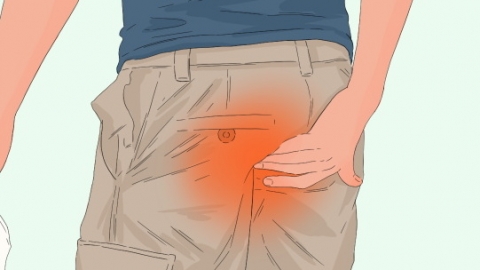
If hemorrhoids are in the mild stage, with symptoms such as occasional rectal bleeding, slight anal fullness, no obvious prolapse or prolapse that can spontaneously reduce, physical therapy is usually effective in relieving symptoms. Common physical treatments include warm sitz baths, performed 1-2 times daily for 15-20 minutes each session, which can improve anal circulation, reduce swelling and alleviate pain.
When hemorrhoids progress to moderate or severe stages, characterized by frequent and heavy rectal bleeding, prolapse requiring manual reduction or persistent protrusion outside the body, or complications such as thrombosis or incarceration, physical therapy is unlikely to address the underlying problem and cannot replace surgical intervention. At this stage, surgical treatment is required to manage prolapse and bleeding symptoms.
In daily care, it is important to maintain anal hygiene by washing with warm water after bowel movements, avoiding aggressive wiping. Diet-wise, consume more fiber-rich foods such as vegetables, fruits, and whole grains to ensure smooth bowel movements and avoid constipation or diarrhea, which may irritate the hemorrhoids.






