


Why Do Sugary Foods Cause Tooth Decay?
Aug 20, 2025
Source: Cainiu Health

Dr. Liu Chao
Introduction
Under normal circumstances, sweets may cause dental caries due to reasons such as acid production from oral bacterial breakdown, loss of tooth minerals, long-term accumulation of dental plaque, defects in tooth morphology and structure, and reduced saliva secretion. If discomfort symptoms occur, it is recommended to seek timely diagnosis and treatment at a正规 hospital. In daily life, it is important to develop good oral hygiene habits.
Normally, sweets may cause dental caries due to reasons such as acid production by oral bacterial decomposition, loss of tooth minerals, long-term accumulation of dental plaque, defects in tooth morphology and structure, and reduced saliva secretion. If discomfort occurs, it is recommended to seek timely treatment at a reputable hospital. Detailed analysis is as follows:
1. Acid Production by Oral Bacterial Decomposition
Sugars in sweets can be decomposed by bacteria such as Streptococcus mutans in the mouth, producing significant amounts of lactic acid. This acid can erode the tooth enamel, causing tooth demineralization and leading to caries. Reducing sweet intake and rinsing the mouth promptly after each meal to remove residual sugars can decrease acid production by bacteria.
2. Loss of Tooth Minerals
Prolonged exposure to acidic substances produced by consuming sweets can dissolve and deplete minerals like calcium and phosphorus in teeth, making the enamel fragile and prone to cavities. Regular consumption of calcium- and phosphorus-rich foods such as milk and soy products can enhance teeth's resistance to decay.
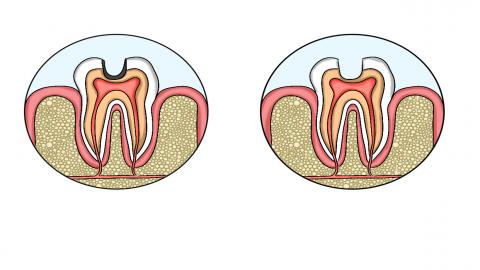
3. Long-term Accumulation of Dental Plaque
Residual sweet food easily adheres to the tooth surface, promoting the formation of dental plaque. The bacteria within the plaque continuously produce acid, worsening dental damage. Brushing teeth thoroughly in the morning and evening, using dental floss to clean interdental spaces, and undergoing regular dental cleaning can effectively remove dental plaque.
4. Defects in Tooth Morphology and Structure
Deep pits and fissures on the tooth surface can easily retain sweet food residues and bacteria, increasing the risk of caries. A dental visit for pit and fissure sealing can fill these grooves with a sealing agent, preventing food residue and bacterial invasion.
5. Reduced Saliva Secretion
Saliva serves to buffer acidity and clean the mouth. When saliva secretion is insufficient, its ability to neutralize acidic substances decreases, making teeth more susceptible to erosion. Maintaining adequate hydration and avoiding long-term use of medications that may inhibit saliva secretion are recommended.
In daily life, it's important to develop good oral hygiene habits and undergo regular dental check-ups. Control the frequency of sweet consumption, avoid eating sweets before bedtime, and use fluoride toothpaste to strengthen teeth's resistance to decay.








