


Is stomach bleeding painful?
Sep 08, 2025
Source: Cainiu Health

Dr. Huang Yuhong
Introduction
In general, whether gastric bleeding causes pain depends on the underlying cause and the progression of the condition. If any discomfort occurs, prompt medical attention is recommended. Once symptoms related to gastric bleeding are identified, regardless of whether pain is present, eating and drinking should be stopped immediately to avoid further burden on the stomach. It is also important to maintain a lateral or supine position to prevent suffocation in case of vomiting blood. The analysis is as follows:
In general, whether gastric bleeding causes pain depends on the underlying cause and progression of the condition. If discomfort occurs, prompt medical attention is recommended. Detailed analysis is as follows:
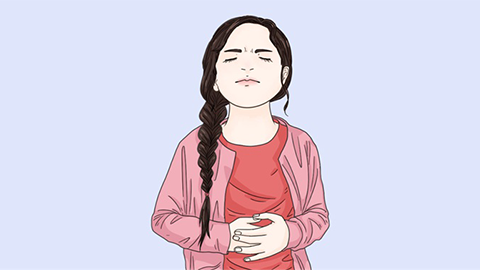
If gastric bleeding is caused by conditions such as gastric ulcers or acute gastritis and the condition is in an active inflammatory phase, continuous irritation at the site of gastric mucosal damage typically causes pain. Initially, there may be mild burning or dull pain, which may progress to persistent distending pain as the ulcer deepens and the bleeding worsens. In some cases, pain may temporarily subside early in the bleeding episode due to neutralization of gastric acid by blood, but pain may reoccur later when mucosal damage remains unrepaired, and may even intensify as inflammation spreads.
If gastric bleeding is caused by rupture of esophageal or gastric varices, early vascular invasion by gastric cancer, or other conditions with a more insidious progression, pain is typically not a prominent symptom. Rupture of varices often results in sudden bleeding without inflammatory irritation of the mucosa. In early gastric cancer, when tumor invasion affects blood vessels, significant ulcers or inflammation may not yet be present in the gastric mucosa. Symptoms may be limited to black stools or minor hematemesis, without pain signals, making the condition easy to overlook due to its subtle progression.
If symptoms related to gastric bleeding are noticed, regardless of whether pain is present, eating and drinking should be stopped immediately to avoid increasing the burden on the stomach. The patient should remain in a lateral or supine position to prevent choking during episodes of hematemesis. Prompt medical attention should be sought, with a detailed description provided regarding the bleeding, presence of pain, and any changes in pain intensity to assist the physician in quickly determining the cause. Strict adherence to medical instructions is essential during treatment. Once the condition stabilizes, transition gradually to a soft diet, avoid alcohol consumption and staying up late, and schedule regular follow-up examinations to monitor gastric health and disease progression.





