


How serious is gastrointestinal bleeding?
Sep 08, 2025
Source: Cainiu Health

Dr. Huang Yuhong
Introduction
In general, the severity of gastrointestinal bleeding depends on the amount of blood loss, the rate of bleeding, and whether there are accompanying complications. If the bleeding is minimal, slow, and without complications, it is usually not considered severe. However, if there is significant blood loss, rapid bleeding, or complications are present, the situation is more serious. It is recommended to seek timely medical attention and receive treatment under a doctor's guidance.
Generally speaking, the severity of gastrointestinal bleeding depends on the amount and speed of bleeding, as well as whether complications are present. If the bleeding is minimal, slow, and without complications, it is usually not considered severe. However, if the bleeding is heavy, rapid, or accompanied by complications, it is regarded as a more severe condition. It is advisable to seek timely medical attention and undergo treatment under a doctor's guidance. Detailed analysis is as follows:
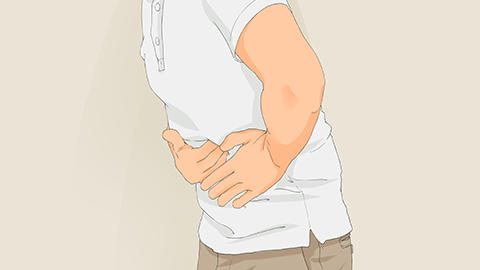
If the bleeding is minimal and slow, patients may only experience symptoms such as black stools, mild upper abdominal pain, or acid reflux, without significant severe discomfort. In such cases, following medical advice to use appropriate medications combined with dietary adjustments can usually alleviate symptoms gradually, with minimal overall impact on the body.
When the bleeding is heavy and rapid, patients may experience hematemesis (vomiting blood), passage of fresh or dark red blood in stools, palpitations, dizziness, pale complexion, and other symptoms. Some patients may even develop complications such as shock due to excessive blood loss. If not treated promptly, this condition can damage vital organs such as the heart and brain, and may even endanger life. This is considered a serious situation requiring immediate hospitalization for emergency treatment, such as blood transfusion or surgical hemostasis.
To prevent worsening or recurrence of gastrointestinal bleeding, it is important to maintain regular eating habits, avoid overeating, refrain from consuming spicy, overly cold, or hard-to-digest foods, quit smoking and alcohol, and reduce damage to the gastric mucosa in daily life.


