


Is increased vaginal discharge during ovulation normal?
Sep 08, 2025
Source: Cainiu Health

Dr. Zhang Lu
Introduction
In general, whether increased vaginal discharge during ovulation is normal depends on the specific characteristics of the discharge and other bodily symptoms. If there is any abnormal discomfort, it is recommended to seek medical attention promptly. After experiencing increased vaginal discharge during ovulation, one should observe the nature of the discharge and physical sensations, maintain good personal hygiene, change cotton underwear frequently, and keep the vulva clean and dry. Avoid using irritating cleansers or frequently douching the vagina.
In general, whether increased vaginal discharge during ovulation is normal depends on the specific characteristics of the discharge and other bodily symptoms. If there are abnormal discomforts, it is recommended to seek medical advice promptly. Detailed analysis is as follows:
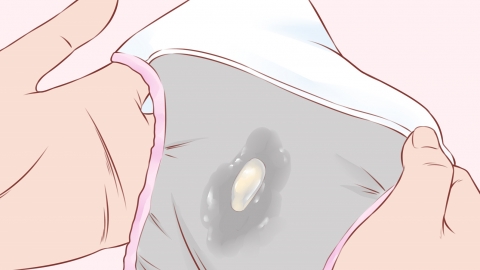
If the vaginal discharge increases during ovulation and appears transparent and egg-white-like, with a thin, elastic consistency that can be stretched into long strands, without odor, itching, or burning sensations, and the increase subsides gradually after ovulation, it is considered a normal physiological occurrence. This change is caused by elevated estrogen levels in the body, which creates a suitable environment for sperm passage, aiding the reproductive process and is generally not a cause for concern.
If increased vaginal discharge during ovulation is accompanied by abnormal characteristics, such as yellow, green, or blood-tinged discharge, thick or curd-like consistency, unpleasant odor, along with symptoms like itching, redness, or pain in the external genital area, this is not considered normal. It may be caused by gynecological inflammations such as vaginitis or cervicitis. One should be vigilant about reproductive system health issues to avoid worsening of the condition due to neglect.
When experiencing increased vaginal discharge during ovulation, it is important to observe the characteristics of the discharge and any physical discomfort. Maintain good personal hygiene by frequently changing cotton underwear and keeping the external genital area clean and dry. Avoid using irritating cleansers or frequently douching the vagina, as this may disrupt the normal vaginal flora. If abnormal symptoms occur, seek timely medical evaluation to identify the cause and receive appropriate treatment. Maintain regular sleep patterns and a balanced diet, and reduce intake of spicy or irritating foods to support reproductive health.



