


Are daylilies toxic?
Sep 15, 2025
Source: Cainiu Health

Dr. Yu Yongchao
Introduction
Under normal circumstances, fresh daylily contains trace amounts of toxic components that may cause discomfort if consumed directly; processed daylily, however, is non-toxic and safe for consumption. When consuming daylily in daily diet, it is important to distinguish between fresh and dried varieties. Fresh daylily must be thoroughly blanched and soaked before cooking, while dried daylily should be cleaned properly after rehydration.
Generally, fresh daylily contains trace amounts of toxic components, and direct consumption may cause discomfort. However, properly processed daylily is non-toxic and safe for consumption. Detailed explanation is as follows:
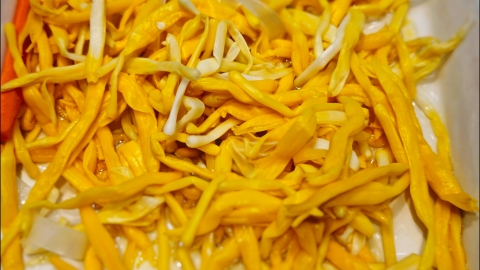
Fresh daylily contains colchicine, a substance that easily converts into the toxic metabolite dihydrocolchicine after entering the human body. If consumed raw or without thorough heating, it may irritate the gastrointestinal tract, causing symptoms such as nausea, vomiting, abdominal pain, diarrhea, and other discomforts. However, colchicine is water-soluble and heat-sensitive, and can be effectively removed through proper processing.
During the processing of dried daylily, most colchicine is removed along with moisture through steps such as sun-drying and drying. Fresh daylily can also effectively remove the toxic components by first blanching in hot water followed by soaking in clean water for 1-2 hours. Processed daylily is not only non-toxic but also rich in dietary fiber, vitamins, and minerals, making it suitable for cooking as a common ingredient.
When consuming daylily in daily life, it is important to distinguish between fresh and dried varieties. Fresh daylily must be thoroughly blanched and soaked before cooking, while dried daylily should be cleaned thoroughly after rehydration. Avoid eating raw or improperly processed fresh daylily, and develop good habits for handling ingredients correctly.






