


Can patients with appendicitis eat radishes?
Oct 30, 2025
Source: Cainiu Health

Dr. Wang Lei
Introduction
In general, patients with appendicitis can eat radish, but it is not advisable to consume too much. When eating radish, attention should be paid to the cooking method; gentle preparations such as clear stewing or boiling until soft are recommended, while raw consumption or cold salads should be avoided to prevent gastrointestinal irritation. Additionally, intake should be controlled—eating too much at once may cause bloating. This is especially important during the acute phase of the condition or the postoperative period before normal diet has been fully resumed.
In general, patients with appendicitis can eat radish, but it is not recommended to consume it in large amounts. The detailed explanation is as follows:
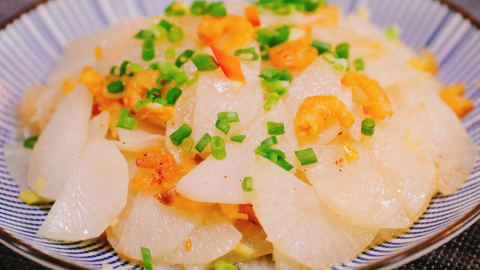
Radish is rich in dietary fiber and various vitamins. Dietary fiber promotes intestinal peristalsis, helps improve digestive function, reduces food accumulation in the intestines, and avoids increasing the burden on the gut. It also contains abundant water, has a relatively tender texture, and becomes even easier to digest and absorb when cooked. Moreover, it does not irritate inflamed areas, helps supplement nutrients, supports the body in maintaining normal physiological functions, and generally has no adverse effects on disease recovery.
When eating radish, attention should be paid to cooking methods. It is recommended to use gentle cooking techniques such as stewing or boiling until soft, avoiding raw consumption or cold salads to prevent gastrointestinal irritation. At the same time, intake should be controlled—eating too much at once may cause bloating. If the patient is in the acute phase or has not yet resumed normal diet after surgery, they should consult a doctor first and only gradually try consuming radish upon medical approval. If discomfort such as worsening abdominal pain or bloating occurs after eating, consumption should be stopped immediately and medical attention sought.


