What are the contraindications of cefradine tablets?
Nov 05, 2025
Source: Cainiu Health

Dr. Zhou Xiaofeng
Introduction
Contraindications for Cefradine Tablets generally include hypersensitivity to cephalosporins. Individuals with a history of allergic reactions to cephalosporin antibiotics may experience allergic responses after taking Cefradine Tablets, such as rash, itching, and difficulty breathing. In severe cases, anaphylactic shock may occur, which can be life-threatening. Therefore, these individuals must absolutely avoid using this medication.
Cephradine tablets are generally contraindicated or require caution in the following cases:禁use for those allergic to cephalosporins,慎use for penicillin-allergic individuals,慎use during pregnancy and lactation,慎use in severe renal impairment, and avoidance of alcohol consumption during treatment. Detailed explanations are as follows:
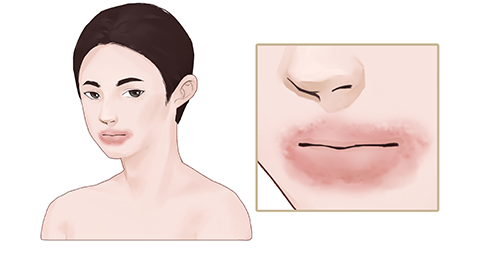
1. Contraindicated for individuals allergic to cephalosporins: People with a history of allergy to cephalosporin antibiotics may experience allergic reactions after taking cephradine tablets, such as rash, itching, and difficulty breathing. In severe cases, anaphylactic shock may occur, which can be life-threatening. Therefore, these individuals must absolutely avoid using this medication.
2. Use with caution in penicillin-allergic patients: Cephalosporins may exhibit cross-allergenicity with penicillins. Individuals allergic to penicillin have a higher risk of allergic reactions when taking cephradine tablets. Even without a known history of cephalosporin allergy, such patients should only use the drug under close medical supervision and must not self-medicate.
3. Use with caution during pregnancy and breastfeeding: The drug may cross the placenta and affect fetal development, or pass into breast milk and impact the infant. Therefore, pregnant and nursing women should only take the medication if clearly necessary and after a physician has carefully evaluated the risks and benefits. Self-administration is not recommended.
4. Use with caution in patients with severe renal impairment: Cephradine is primarily eliminated through the kidneys. In patients with severely impaired kidney function, the drug may accumulate in the body, increasing the burden on the kidneys and potentially causing adverse effects. Dosage adjustments or alternative medications may be required based on renal function.
5. Avoid alcohol during treatment: Consuming alcohol during treatment or within 7 days after discontinuation may trigger a disulfiram-like reaction between the drug and alcohol, leading to symptoms such as facial flushing, headache, nausea, and vomiting. In severe cases, it may cause arrhythmia or hypotension. Therefore, alcohol and alcoholic beverages must be strictly avoided.
Before taking cephradine tablets, inform your doctor about any allergies, underlying medical conditions, and current medications. Follow the prescribed dosage and duration strictly—do not alter the dose or stop taking the medication without guidance. If any adverse reactions occur during treatment, seek medical attention promptly to ensure safe medication use.