


Is it good to eat vegetables for breakfast?
Nov 07, 2025
Source: Cainiu Health

Dr. Yu Yongchao
Introduction
Eating vegetables for breakfast is beneficial for most people, but attention should be paid to proper consumption methods and moderation. Appropriate pairing and correct cooking methods can maximize nutritional benefits, while improper intake may cause discomfort. When including vegetables in a daily breakfast routine, it's advisable to choose easily chewable and digestible varieties such as lettuce, cucumber, and tomato, with a recommended portion of 100–200 grams. Cooking methods should primarily include light stir-frying, boiling, or cold mixing, using minimal oil and salt.
In general, eating vegetables for breakfast is beneficial for most people, but attention should be paid to the method of consumption and moderation. Proper pairing and correct cooking methods can maximize their nutritional benefits, while improper consumption may lead to discomfort. The detailed analysis is as follows:
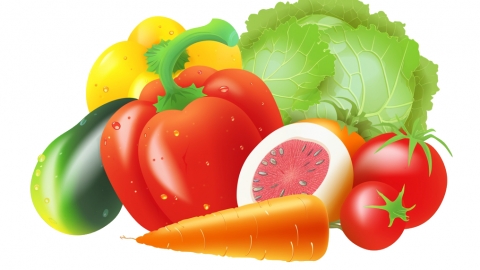
Vegetables are rich in vitamins, dietary fiber, and minerals. Consuming an appropriate amount at breakfast helps replenish essential nutrients. Dietary fiber promotes intestinal motility, increases satiety, prevents overeating caused by mid-morning hunger, and helps maintain stable blood sugar levels, providing sustained energy throughout the morning. This makes vegetables a suitable addition to breakfast for all population groups.
However, excessive intake of vegetables at breakfast or choosing raw, bitter, or hard-to-digest varieties may increase the burden on the gastrointestinal tract, potentially causing bloating or abdominal pain, especially on an empty stomach. In addition, inappropriate cooking methods—such as using excessive oil or adding too many seasonings—can increase calorie content and irritate the digestive system; these practices should be avoided.
For daily breakfasts, it is recommended to choose easily chewed and digestible vegetables such as lettuce, cucumber, and tomato, with a serving size of 100–200 grams being ideal. Cooking methods should primarily include light stir-frying, boiling, or cold mixing, using minimal oil and salt. Pairing vegetables with eggs, milk, whole grains, and other ingredients ensures balanced nutrition, maximizes the health benefits of vegetables, and enhances both satiety and the overall nutritional value of the breakfast.





