


How to determine if you have an anal fistula
Nov 11, 2025
Source: Cainiu Health

Dr. Li Jingxiang
Introduction
To determine whether a person has an anal fistula, one can rely on symptoms such as recurrent discharge of pus around the anus and itching of the perianal skin. After an anal fistula forms, the fistulous tract continuously or intermittently discharges pus, which varies in amount and consistency—ranging from thick to thin—and is typically yellow or yellowish-green in color. The discharge may sometimes have an unpleasant odor, and the symptom of pus drainage tends to recur, making it difficult to fully relieve through simple cleansing.
To determine whether an individual has developed an anal fistula, the condition can generally be identified with the help of symptoms such as recurrent pus discharge around the anus, itching of the perianal skin, redness and pain around the anus, hard lumps or masses near the anal area, and abnormal bowel movements. Specific analysis is as follows:
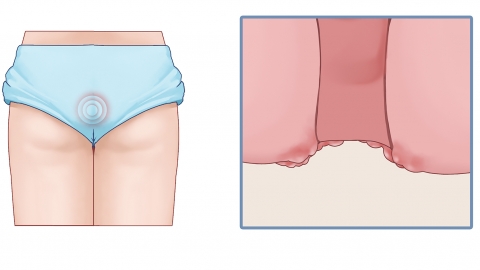
1. Recurrent pus discharge around the anus: After an anal fistula forms, the fistulous tract continuously or intermittently discharges pus. The amount of pus varies and may be thick or thin in consistency, typically yellow or yellow-green in color, sometimes accompanied by an unpleasant odor. The discharge tends to recur and cannot be completely resolved through simple cleaning.
2. Itching around the anal skin: Prolonged pus discharge irritates the skin surrounding the anus, causing moisture, redness, and subsequent itching. Patients may frequently scratch the area, worsening skin damage and potentially leading to secondary skin conditions such as eczema, creating a vicious cycle.
3. Redness and pain around the anus: During acute episodes of anal fistula, infection within the fistula tract may cause redness, swelling, and pain in the perianal tissues. The severity of pain increases with the degree of infection and becomes more pronounced upon touch. Some patients may also experience a localized sensation of warmth.
4. Hard lumps or masses near the anus: Firm nodules or masses may be felt on the skin surface around the anus, usually located near the external opening of the fistula. Pressing on these areas may cause mild pain or result in pus oozing from the external opening. These lumps are typical signs of the fistula's external opening.
5. Abnormal bowel movements: Some patients with anal fistulas may experience pain during defecation or difficulty passing stool. If the fistula is deep or if inflammation irritates the intestine, symptoms such as diarrhea and increased frequency of bowel movements may also occur, affecting normal bowel function.
If one or more of the above symptoms are observed, it is important to seek timely medical evaluation at the proctology department of a reputable hospital for professional examination and definitive diagnosis.



