


Can uterine fibroids cause bleeding during pregnancy?
Nov 11, 2025
Source: Cainiu Health

Dr. Zhang Lu
Introduction
In general, whether bleeding occurs in pregnancy complicated by uterine fibroids depends on the characteristics of the fibroids. Bleeding is usually absent when fibroids are small, superficially located, and show no abnormal changes. However, bleeding may occur if the fibroids are large, submucosal, or undergo degeneration. Regular prenatal check-ups are necessary during pregnancy to closely monitor fibroid size and fetal development, and women should avoid strenuous exercise and excessive physical strain.
Generally, whether bleeding occurs in pregnancy complicated by uterine fibroids depends on the characteristics of the fibroids. Bleeding is usually absent when fibroids are small, superficially located, and show no abnormal changes; however, bleeding may occur if the fibroids are large, submucosal, or undergo degeneration. A detailed analysis is as follows:
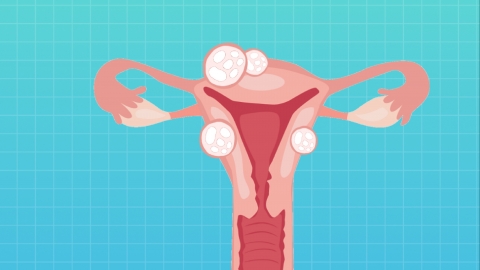
If the uterine fibroid is small and located within the uterine muscle wall (intramural) or under the serosa (subserosal), without compressing or damaging the endometrium or showing abnormalities such as red degeneration, bleeding symptoms are uncommon during pregnancy, and normal fetal development is typically unaffected.
When the uterine fibroid is large or grows beneath the endometrium (submucosal), it can directly compromise endometrial integrity. Hormonal changes during pregnancy may exacerbate endometrial damage, leading to irregular bleeding. If red degeneration of the fibroid occurs, it may be accompanied by abdominal pain and bleeding, requiring timely medical intervention.
Regular prenatal check-ups are essential during pregnancy to closely monitor fibroid size and fetal development. Pregnant women should avoid strenuous exercise and excessive fatigue, maintain a balanced diet and emotional stability, and minimize potential triggers for fibroid complications to support a healthy pregnancy.





