


How to reduce swelling when hemorrhoids prolapse
Nov 14, 2025
Source: Cainiu Health

Dr. Li Jingxiang
Introduction
After hemorrhoids prolapse, swelling can generally be reduced through warm sitz baths, manual reduction combined with cold compresses, dietary adjustments, topical anti-swelling medications, and minimizing prolonged sitting or standing. Warm sitz bath: Prepare warm water at a comfortable temperature and soak for 10–15 minutes per session, 2–3 times daily. The warm water helps improve blood circulation around the anus, relieve local congestion and inflammation, and reduce swelling of the hemorrhoids.
After hemorrhoids prolapse, swelling can generally be reduced through warm water sitz baths, manual reduction combined with cold compresses, adjusting diet, using topical anti-swelling medications, and avoiding prolonged sitting or standing. Specific methods are as follows:
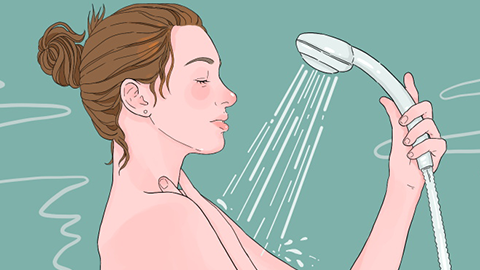
1. Warm water sitz bath: Prepare warm water at a comfortable temperature and sit in it for 10–15 minutes, 2–3 times daily. Warm water helps improve blood circulation around the anus, relieves local congestion and inflammation, reduces swelling of hemorrhoids, and cleans the perianal skin to minimize irritation.
2. Manual reduction combined with cold compress: After washing hands thoroughly, gently push the prolapsed hemorrhoid back into the anal canal. Then apply a cold pack wrapped in a clean towel to the anal area for 5–10 minutes. Manual reduction prevents prolonged exposure and irritation of the hemorrhoid, while cold compression constricts blood vessels and helps reduce swelling quickly.
3. Adjusting diet: Increase dietary fiber intake by consuming more vegetables, fruits, whole grains, and ensure adequate fluid intake. Dietary fiber softens stool, reducing friction and pressure on the prolapsed hemorrhoid during bowel movements, thus preventing worsening of swelling. Sufficient hydration promotes intestinal motility and helps prevent constipation.
4. Topical anti-swelling medications: Under medical guidance, use hemorrhoid ointments or suppositories as directed, applying them externally or inserting them into the anus. These products typically contain ingredients that reduce swelling and inflammation, directly targeting the affected area to alleviate local inflammatory responses, swelling, and pain.
5. Avoid prolonged sitting or standing: Avoid maintaining the same posture for long periods. Take breaks to move around after sitting or standing for a while. Prolonged sitting or standing can impair blood circulation in the anal region, leading to blood stagnation and worsening hemorrhoidal swelling. Regular movement promotes circulation and aids in reducing swelling.
During the period of managing swelling from prolapsed hemorrhoids, monitor symptoms closely. If swelling persists, or if bleeding or severe pain occurs, seek medical attention promptly.




