


How long does it take for the rubber band to fall off after seton placement in anal fistula surgery?
Nov 14, 2025
Source: Cainiu Health

Dr. Li Jingxiang
Introduction
The rubber band used in seton placement after anal fistula surgery typically falls off within 7–14 days, with most patients experiencing detachment around 10 days postoperatively. The falling off of the rubber band indicates that the fistula tract has been gradually cut and healed; therefore, natural detachment should be patiently awaited. If the band has not fallen off after 14 days, or if bleeding or severe pain occurs, prompt medical attention is recommended.
The rubber band used in seton surgery for anal fistula usually falls off 7–14 days after the operation. Most patients experience detachment around 10 days post-surgery. The falling off of the rubber band indicates that the fistula tract has been gradually cut and healed; therefore, it is important to wait patiently for natural detachment. If the band has not fallen off after 14 days or if bleeding or severe pain occurs, prompt medical consultation is recommended.
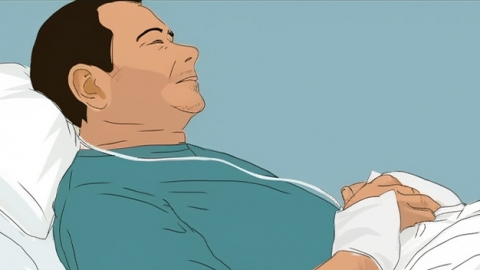
The primary function of the seton rubber band is to slowly cut through the fistula tract using elastic tension, while preserving the function of the anal sphincter muscles and avoiding fecal incontinence that could result from immediate complete cutting. As the tissue undergoes ischemic necrosis, the rubber band gradually loosens and detaches—this process must proceed gradually and steadily.
The depth, thickness, and complexity of the fistula tract, as well as the patient's healing capacity, may affect the time required for detachment. For superficial and simple fistulas, the rubber band may fall off earlier, possibly within about 7 days. However, for deep or complex fistulas with thick tracts and more tissue involvement, the cutting process takes longer and may require 14 days or even more—this is still considered part of normal recovery.
After surgery, maintain cleanliness of the anal area and wash with warm water after bowel movements. Follow a light diet rich in dietary fiber to prevent constipation or diarrhea. Avoid strenuous physical activity that might pull on the rubber band. Change dressings and disinfect as directed by your doctor to reduce the risk of infection and support normal detachment of the rubber band.


