


What tea can help relieve anxiety disorder?
Nov 17, 2025
Source: Cainiu Health

Dr. Zhang Baohua
Introduction
Anxiety sufferers can use teas with calming and soothing effects as an adjunct to help regulate their mood. Good options include mimosa flower tea, lavender tea, chamomile tea, sour jujube seed tea, and rose tea. However, using tea to relieve anxiety is only a supportive measure, and its effectiveness varies from person to person. It's also important in daily life to maintain regular sleep patterns and avoid staying up late.
Anxiety patients can use teas with calming and soothing properties as an adjunct to help regulate their emotions. Choices such as magnolia flower tea, lavender tea, chamomile tea, sour jujube seed tea, and rose tea are all excellent options. Specific details are as follows:
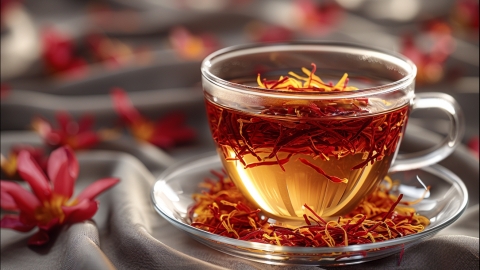
1. **Magnolia Flower Tea**: Magnolia flower is neutral in nature and sweet in taste, known for its ability to relieve depression and calm the mind. Drinking this tea helps ease tension, alleviate insomnia and irritability caused by anxiety, and is especially suitable during periods of low mood or excessive mental clutter.
2. **Lavender Tea**: Lavender is cool in nature and pungent in taste, possessing sedative, sleep-inducing, and nerve-soothing effects. Its distinctive aroma helps relax both body and mind, reducing feelings of anxiety. Drinking it before bedtime can improve sleep disturbances related to anxiety and promote restful sleep.
3. **Chamomile Tea**: Chamomile is neutral in nature and sweet in taste, effective in calming the mind and relieving emotional stress. The flavonoids in chamomile tea help regulate the nervous system, alleviating palpitations and irritability caused by anxiety, gradually restoring emotional balance.
4. **Sour Jujube Seed Tea**: Sour jujube seed is neutral in nature and sweet-sour in taste, benefiting the heart and liver while calming the mind and stabilizing emotions. It effectively relieves restlessness, insomnia, and vivid dreams caused by anxiety, helping to stabilize mood and improve mental well-being.
5. **Rose Tea**: Rose is warm in nature, sweet with a slightly bitter taste, and helps regulate qi and relieve depression. Drinking rose tea can ease emotional blockages, reduce chest tightness and irritability caused by anxiety, and is ideal for daily emotional regulation to maintain a cheerful mood.
Tea consumption for anxiety relief serves only as a supplementary approach, and effectiveness varies from person to person. It's also important to maintain a regular daily routine, avoid staying up late, engage appropriately in relaxing activities such as walking or meditation, and cultivate a positive and optimistic mindset, all of which contribute to better emotional management.


