


What medical condition causes elderly people to easily become angry and have a short temper?
Nov 17, 2025
Source: Cainiu Health

Dr. Zhang Baohua
Introduction
In general, irritability and short temper in the elderly may be caused by factors such as poor sleep quality, declining sensory function, anxiety disorders, hyperthyroidism, and Alzheimer's disease. Poor sleep quality: older adults often experience shortened sleep cycles and frequent awakenings. Long-term sleep deprivation weakens the brain's neurological regulation function and reduces emotional control, making them prone to irritability and outbursts of anger.
Generally, irritability and short temper in the elderly may be caused by factors such as decreased sleep quality, sensory decline, anxiety disorder, hyperthyroidism, Alzheimer's disease, and others. If uncomfortable symptoms occur, it is recommended to seek timely medical evaluation and treatment at a正规 hospital. Specific analysis is as follows:
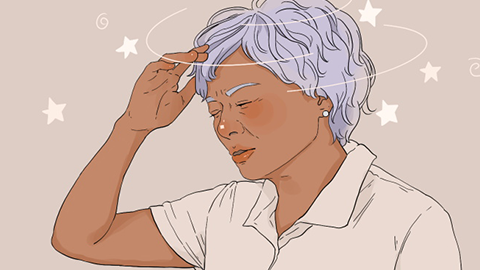
1. Decreased Sleep Quality: Elderly individuals often experience shortened sleep cycles and frequent awakenings. Long-term sleep deprivation weakens the brain's neurological regulation function and reduces emotional control, leading to irritability and anger. It is advisable to adjust the bedroom environment to keep it quiet and comfortable, avoid drinking strong tea before bedtime, and, if necessary, use sleep aids under a doctor’s guidance to improve sleep.
2. Sensory Function Decline: Reduced vision and hearing in older adults can lead to incomplete reception of external information, causing misunderstandings and subsequent frustration. Wearing appropriate glasses or hearing aids can enhance sensory experiences. During daily communication, speaking slowly and increasing volume can help reduce emotional fluctuations caused by miscommunication.
3. Anxiety Disorder: Physical decline and feelings of loneliness may trigger anxiety in the elderly. Prolonged anxiety can result in emotional excitability, irritability, restlessness, and sleep disturbances. Under medical supervision, medications such as buspirone tablets, tandospirone capsules, or lorazepam tablets may be prescribed, along with psychological counseling, to alleviate anxiety.
4. Hyperthyroidism: Excessive secretion of thyroid hormones accelerates metabolism, increasing nervous system excitability. This may cause irritability, palpitations, excessive sweating, and weight loss in elderly patients. Doctors may prescribe methimazole tablets, propylthiouracil tablets, or propranolol hydrochloride tablets, with regular monitoring of thyroid function to adjust medication dosage accordingly.
5. Alzheimer's Disease: Degeneration of nerve cells in the brain leads to cognitive decline. The elderly may become easily frustrated or display aggressive behaviors due to difficulty understanding their surroundings, accompanied by memory loss and inability to perform daily living activities. Physicians typically recommend medications such as donepezil hydrochloride tablets, rivastigmine tartrate capsules, or memantine hydrochloride tablets, while emphasizing close daily care and minimizing emotional triggers.
In daily life, it is important to pay attention to emotional changes in the elderly, avoid direct conflicts, and communicate patiently to understand their needs. Creating a warm family atmosphere can help reduce feelings of loneliness. If irritability occurs frequently or is accompanied by other abnormal symptoms, strict adherence to medical advice, regular follow-ups, and treatment adjustments are essential.






