


Can anxiety disorder affect sleep?
Nov 17, 2025
Source: Cainiu Health

Dr. Zhang Baohua
Introduction
Whether anxiety disorder affects sleep depends on the severity of the condition. When symptoms are mild, sleep is less likely to be disturbed; however, if the condition is severe or remains unmanaged for a long time, it often leads to significant sleep problems. It's important to establish regular daily routines, maintain consistent bedtime and wake-up times, and avoid using smartphones or thinking about complex issues before sleep. Engaging in moderate physical activity during the day and talking with family or friends to relieve stress can also be helpful.
Anxiety disorders can affect sleep, depending on the severity of the condition. When symptoms are mild, sleep is minimally disrupted; however, when the condition becomes severe or remains unmanaged over time, significant sleep problems often arise. A detailed analysis is as follows:
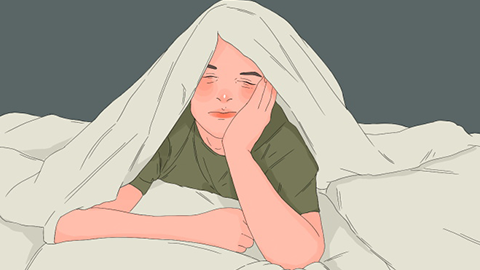
When anxiety symptoms are mild, individuals may only feel tense in specific situations, with brief emotional fluctuations that barely affect falling asleep or the overall sleep process. In such cases, self-regulation techniques—such as listening to soothing music or practicing simple meditation before bedtime—can effectively stabilize emotions and maintain normal sleep, without causing excessive concern.
As anxiety symptoms worsen, patients may experience persistent worry and irritability, with the brain remaining in a prolonged state of hyperarousal. This often leads to difficulty falling asleep, light sleep, frequent awakenings during the night, and in some cases, early morning awakening followed by an inability to fall back asleep. These sleep disturbances can further intensify anxiety, creating a vicious cycle that negatively impacts daily functioning.
To improve sleep, it's important to establish a regular daily routine, maintaining consistent bedtimes and wake-up times. Avoid using smartphones or engaging in complex thinking right before bed. Engaging in moderate physical activity during the day, talking with family or friends to relieve stress, and keeping the bedroom quiet and comfortable can also help promote better sleep.




