What is manic depression?
Nov 17, 2025
Source: Cainiu Health

Dr. Zhang Baohua
Introduction
Bipolar depression generally refers to bipolar disorder, a chronic mental illness characterized by extreme and recurrent mood swings. Patients experience alternating episodes of mania or hypomania and depression, which significantly impair cognitive and social functioning and require long-term, standardized management. If obvious mood fluctuations between two extremes occur, prompt medical evaluation is recommended.
Bipolar disorder, commonly known as manic-depressive illness, is a chronic mental health condition characterized by extreme and recurrent mood swings. Patients experience alternating episodes of mania or hypomania and depression, which significantly impair cognitive and social functioning and require long-term, standardized management. If obvious mood fluctuations occur, prompt medical evaluation is recommended.
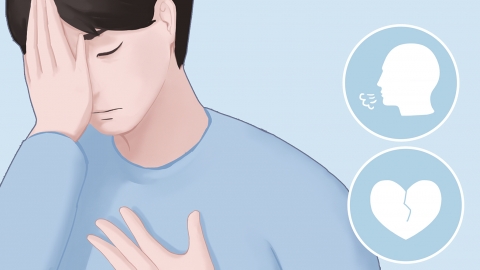
The condition arises from a combination of genetic factors, imbalances in brain neurotransmitters, endocrine changes, and environmental stressors. During manic episodes, individuals may exhibit elevated mood, racing thoughts, and increased activity. In contrast, depressive episodes are marked by low mood, loss of interest, and feelings of guilt or worthlessness. These two states can alternate, with periods of symptom remission in between.
Treatment primarily relies on medication. Mood stabilizers are prescribed to prevent mood fluctuations, while additional medications are used as needed to rapidly control symptoms during acute depressive or manic episodes. Psychotherapies such as cognitive behavioral therapy (CBT) and interpersonal therapy are also integrated to help patients recognize early warning signs of mood shifts and improve coping strategies.
In daily life, it's important to establish a regular routine for the patient, avoid sleep deprivation and excessive fatigue, minimize exposure to major life stressors, encourage moderate physical activity, and provide consistent emotional support. These measures help stabilize mood and support the patient’s recovery and reintegration into normal life.